
Waterproof zippers are very important for outdoor gear. They keep your things dry in tough weather. If you do not take care of these zippers, it can cause expensive returns for brands. Each return costs money for shipping and customer service. It can also hurt your brand’s reputation. By using some simple maintenance tips, you can reduce zipper problems and make customers happier. ZIZIP has a clear maintenance guide. This guide helps you take care of your waterproof zippers well. This can lead to better money results.
Key Takeaways
Check your waterproof zippers often to find problems early. Look for damage, clean dirt, and test if they work well.
Use the right cleaning products to take care of your zippers. Special cleaners or gentle home solutions can stop buildup and keep zippers working smoothly.
Store your gear correctly by leaving zippers unzipped. This stops misalignment and damage, helping your gear last longer.
Put on DWR treatments again when water does not bead on the fabric. This keeps your zippers waterproof and working well in tough conditions.
Make a maintenance plan that includes monthly checks and regular cleaning. Taking care of your gear often lowers the chances of returns and makes customers happy.
Preparation for Waterproof Zipper Maintenance
Before you start taking care of your waterproof zippers, getting ready is very important. Good preparation helps you avoid mistakes and makes maintenance work better. Here’s how to begin.
ZIZIP specialized maintenance tool collection checklist
To take care of your waterproof zippers well, gather these tools:
Soft brush: Use this to clean dirt, sand, and salt from the zipper teeth.
Mild cleaner: Pick a gentle cleaner made for special fabrics.
Lubricant: A zipper lubricant will help the zipper move easily.
Microfiber cloth: This is good for drying and shining the zipper after cleaning.
Storage bag: Use a breathable bag to keep your gear safe when not in use.
ZIZIP Zipper Condition Assessment Standard Process
Checking the condition of your zippers is very important for them to last long. Follow these steps:
Visual Inspection: Look for any damage, like frayed teeth or a bent slider.
Debris Check: Make sure there is no dirt, sand, or fishing line stuck in the zipper teeth. Keeping these clear stops wear and tear.
Functionality Test: Open and close the zipper a few times. If it sticks, put on lubricant and try again.
Cleaning: Rinse the zipper with running water to wash away any grit. This step is key to stop mildew and help the zipper last longer.
Lubrication: After cleaning, put on a good lubricant to keep the zipper working well.
Tip: Always store and pack your gear fully unzipped. This habit stops damage and keeps the zipper strong.
By preparing well and following these steps, you can keep your waterproof zippers in great shape. This smart approach not only improves performance but also lowers the chances of returns because of zipper problems.
Cleaning Waterproof Zippers and Waders
It is very important to keep your waterproof zippers and waders clean. This helps them work well and last longer. Cleaning often stops dirt and grime from building up. If dirt builds up, it can cause zipper problems and make them less waterproof. Here’s how to clean your gear the right way.
ZIZIP recommends cleaning solutions
Selection of specialized cleaning agents
Using the right cleaners is key to keeping your waterproof zippers safe. Think about these choices:
ZippyCool Zipper Cleaning Solution: This cleaner is made just for zippers, even waterproof ones. It has a special brush that removes dirt and residue well.
Suggestions for Family Alternative Solutions
If you want to use things from home, try these options:
Mild dish soap mixed with water
White vinegar mixed with water
Baking soda paste for tough stains
ZIZIP step-by-step cleaning process
Follow these steps to clean your waterproof zippers and waders well:
Unzip the item: Start by fully unzipping your gear to reach the zipper teeth.
Remove grit and dust: Use a soft brush to gently scrub away dirt or debris from the zipper teeth.
Apply cleaner: Put your chosen zipper cleaner on the zipper teeth. If using a home solution, make sure it is mixed right.
Distribute the cleaner: Open and close the zipper a few times to spread the cleaner evenly.
Wipe down: Use a microfiber towel or lens cloth to wipe the zipper often, taking off any extra cleaner.
Rinse thoroughly: Rinse the zipper with fresh water after being in saltwater or dirty places. If needed, use mild dish soap to help remove tough grime.
Dry completely: Make sure the zipper is fully dry before storing your gear. This step is very important to stop mildew and rust.
Lubricate: Sometimes, put lubricant on the zipper teeth with silicone-based or wax lubricants. Use a cotton swab to apply a thin coat, especially where the zipper bends. Don’t use too much to avoid attracting dirt.
Store properly: Store your gear with the zipper partly open. This helps keep the zipper’s shape and stops damage.
Tip: Always rinse zippers well after being in saltwater or dirt. This easy step can help your waterproof zippers and waders last longer.
By using these cleaning methods, you can keep your waterproof zippers and waders in great shape. Regular care not only improves performance but also lowers the chances of returns because of zipper problems.
Drying Methods for Waders and Outerwear
Drying your waders and outerwear the right way is very important. It helps keep their waterproof zippers working well. Use these methods to keep your gear in great shape.
Proper Drying Techniques
Air Drying: Hang your waders and outerwear in a place with good air flow. This lets moisture escape without hurting the fabric or zippers.
Avoid Heat Sources: Keep your gear away from heat sources like heaters or hair dryers. High heat can bend the zippers and ruin the waterproof layer.
Use a Towel: After rinsing your gear, gently dry it with a clean towel. This helps get rid of extra water and makes drying faster.
Tip: Always make sure your gear is fully dry before putting it away. This helps stop mold or mildew from growing.
Avoiding Common Drying Mistakes
You should stay away from some mistakes when drying your waders and outerwear. Here are some common errors:
Direct Sunlight: Never dry your gear in direct sunlight. UV rays can damage the materials and fade colors.
Overcrowding: Don’t hang too many items close together. This can trap moisture and slow down drying.
Ignoring Zippers: Watch the zippers while drying. Make sure they are fully unzipped to let air flow, which helps keep dirt from settling in.
By using these drying methods, you can keep your waterproof zippers in good shape and make your waders and outerwear last longer. Taking care of your gear makes sure it stays ready for your next adventure.
Storage Tips for Waterproof Breathable Outerwear
Storing your waterproof breathable outerwear properly is very important. It helps keep it working well and lasting longer. If you follow some easy rules, your gear will stay in great shape.
Ideal Storage Conditions
To protect your outerwear and zippers, think about these storage tips:
Keep your waterproof breathable outerwear out of direct sunlight. Sunlight can damage the material and fade colors.
Make sure the clothes are safe from moisture. This helps stop material damage and keeps mildew from growing.
Hang your outerwear in a closet instead of folding it. Hanging stops compression and keeps the fabric working well.
These steps will help you get your gear ready for your next adventure.
Preventing Zipper Damage
Zippers are very important for your outerwear and waders. To stop zipper damage while storing, use these tips:
Always store your gear with the zippers fully unzipped. This lets air flow and stops the zippers from getting stuck.
Don’t put heavy things on top of your outerwear. Too much weight can bend or break the zippers.
Use a breathable storage bag for your gear. This keeps moisture away and lets air move around.
By using these storage tips, you can make your waterproof breathable outerwear last longer and keep your zippers in good shape. Taking care of your gear while storing it helps improve performance and lowers the chances of returns because of zipper problems.
Fixing Zipper Problems on Fishing Waders
Fishing waders are important for keeping you dry and comfy while you enjoy being on the water. But sometimes, the zippers on these waders can have problems. Knowing how to spot and fix these issues can save you time and money.
Spotting Common Problems
You might see a few common zipper problems with your fishing waders. Here are some signs to watch for:
Sticking Zipper: If the zipper does not move easily, it might be stuck because of dirt or debris.
Leaking Zipper: Water can get in if the zipper does not seal well.
Frayed Teeth: Check for any damaged or frayed teeth that can stop the zipper from closing all the way.
Bent Slider: A bent slider can make the zipper misalign, making it hard to open or close.
Noticing these problems early can help you fix them before they get worse.
Easy Repair Techniques
You can often fix zipper problems on your fishing waders without needing a pro. Here are some simple DIY repair techniques:
Lubricate the Zipper: Put some zipper lubricant on the teeth. This helps stop sticking and keeps it moving smoothly.
Clean the Zipper: If the zipper sticks, gently unzip it the other way. Clean off any dirt or debris that might be causing the problem. Keeping the zipper clean is key to avoiding damage.
Check for Frayed Teeth: If you see frayed teeth, you can use pliers to gently straighten them. Be careful not to press too hard, as this can cause more damage.
Fix a Bent Slider: If the slider is bent, you can carefully reshape it with pliers. Make sure it moves freely along the zipper track after fixing it.
Seal Leaks: If the zipper is leaking, think about using a DWR (Durable Water Repellent) treatment on the zipper area. This can help bring back its waterproof features.
Tip: Regularly taking care of your waders, including the zippers, can stop many of these problems from happening. Always check your gear before and after use to catch issues early.
By following these steps, you can fix zipper problems on your fishing waders. Taking good care of your gear will make it last longer and improve your overall fishing experience.
Reapplying Treatments for Waterproof Zippers
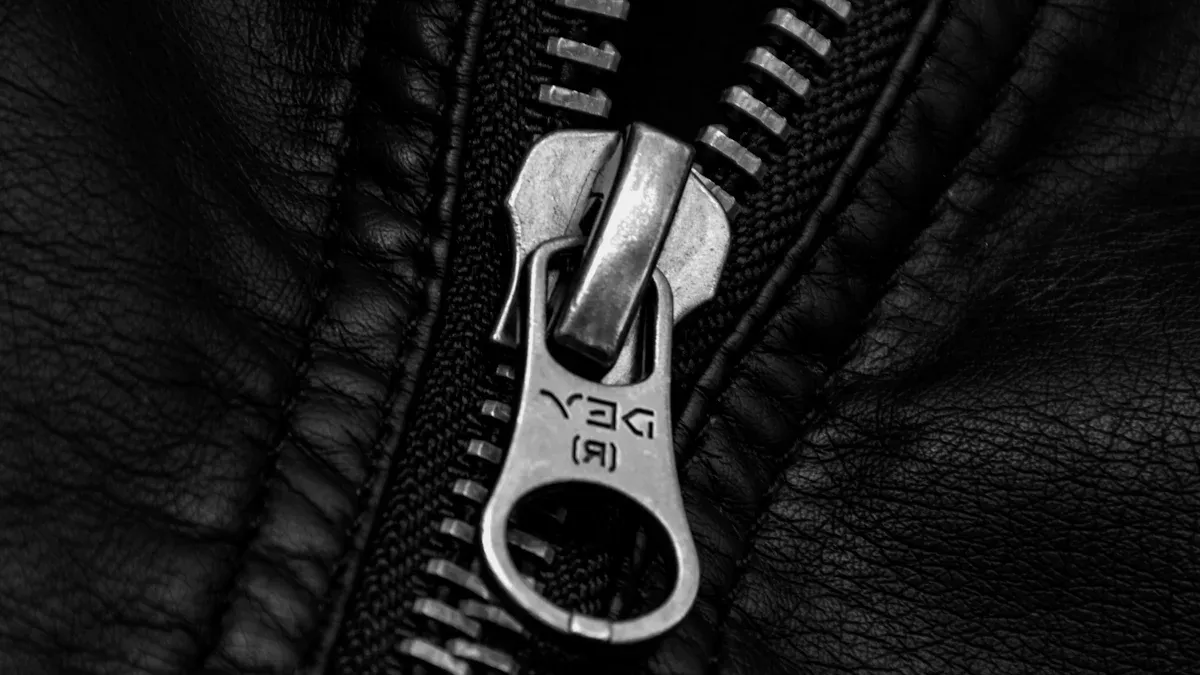
To keep your waterproof zippers working well, you need to take care of them regularly. One important part is putting on treatments again to keep them effective. You should reapply the DWR (Durable Water Repellent) coating every so often. This helps the zippers keep water away.
When to Reapply Treatments
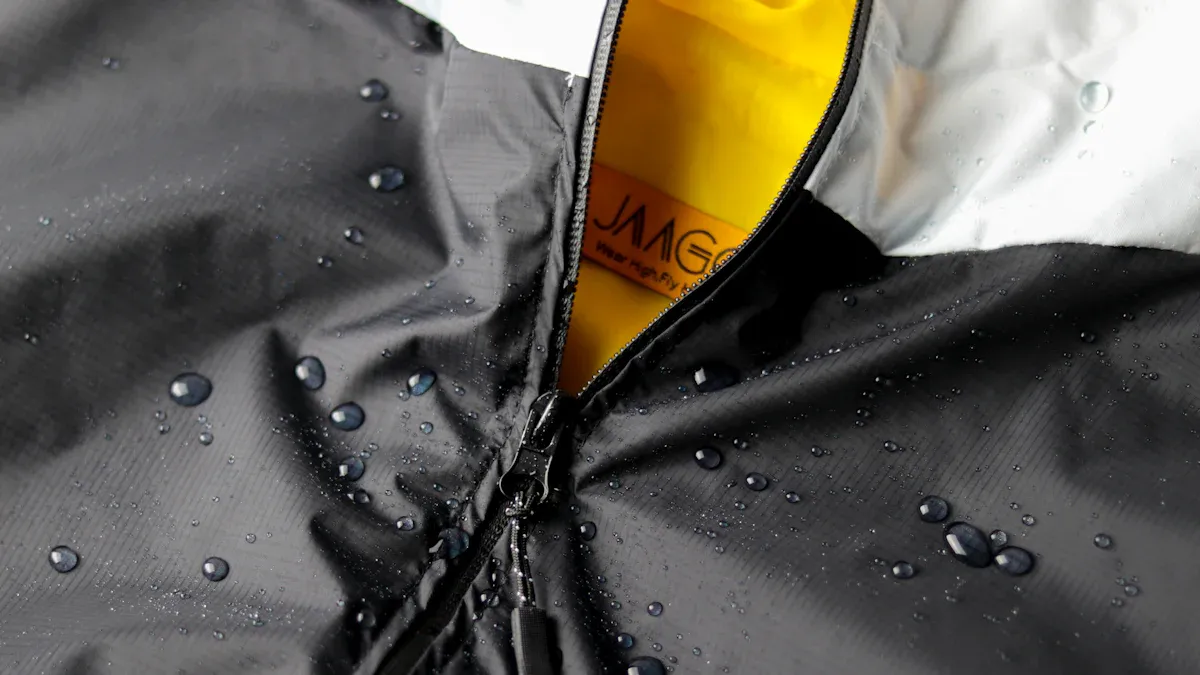
Look for signs that show it’s time to put on the DWR coating again. A clear sign is when the fabric starts to ‘wet out.’ This means the water does not bead up and roll off anymore. How often you need to reapply depends on how much you use your gear and the conditions it faces. For example, if you often wear your jacket in wet places, you might need to reapply more often.
Application Process
Follow these steps to refresh the DWR coating on your waterproof zippers:
Prepare the jacket: Check the care label, clean any stains, zip up all zips, and turn the jacket inside out.
Wash the jacket: Use cold water and skip fabric softener, as it can hurt the repellency.
Add water repellent: Use a special product, spray it on the damp jacket, and wipe off any extra.
Dry the jacket: Follow the care label instructions for drying. Proper drying helps the DWR coating stick well.
By following these steps, you can make sure your waterproof zippers keep working great. Regularly reapplying treatments not only improves the zippers’ performance but also helps your outdoor gear last longer.
ZIZIP Zipper Long term Maintenance System
Taking care of your ZIZIP zippers is very important. It helps them last longer and work better. Checking them regularly and having good habits can really help your gear last. Here’s how to set up a long-term maintenance plan.
ZIZIP Regular Inspection Protocol
Monthly Inspection Checklist
You need to check your zippers every month. Here’s an easy checklist to follow:
Visual Check: Look for any damage, like frayed teeth or bent sliders.
Functionality Test: Open and close the zipper a few times. Make sure it moves smoothly without getting stuck.
Debris Removal: Remove any dirt or debris from the zipper teeth. This stops buildup that can cause problems.
Seasonal in-depth inspection project
Every season, do a more detailed inspection. This project should include:
Deep Cleaning: Clean the zippers using the methods mentioned before.
Lubrication: Put on lubricant again to keep it working smoothly.
Waterproofing Check: Spray water on the zipper to test waterproofing. If water gets through, think about reapplying treatments.
Best practices for extending the lifespan of ZIZIP
Cultivation of daily usage habits
You can develop daily habits that help your zippers last longer. Here are some tips:
Store Properly: Always keep your waders and outerwear with zippers unzipped. This stops misalignment and damage.
Avoid Overloading: Don’t fill pockets or compartments too much. Too much weight can hurt the zippers.
Preventive Maintenance Plan
Having a preventive maintenance plan can save you time and money. Think about these steps:
Regular Cleaning: Clean your zippers after each use, especially if they get saltwater or dirt on them.
Scheduled Inspections: Set reminders for monthly and seasonal checks. Being consistent helps stop problems.
By following these tips, you can really improve how long your ZIZIP zippers last. Regular care not only keeps your gear working well but also lowers the chances of returns because of zipper issues.
Taking care of ZIZIP zippers is very important for your brand’s image. If you use ZIZIP’s maintenance steps, you can lower return rates and make customers happier.
Patagonia’s repair program shows how good maintenance builds loyalty:
It helps customers fix their gear instead of buying new ones.
Free patch kits and trained workers make customers happy.
A collection of repair videos helps customers learn.
You can earn your customers’ trust by focusing on quality and always getting better. ZIZIP supports its products, making sure they work well in tough situations.
FAQ
What is the IPX rating for waterproof zippers?
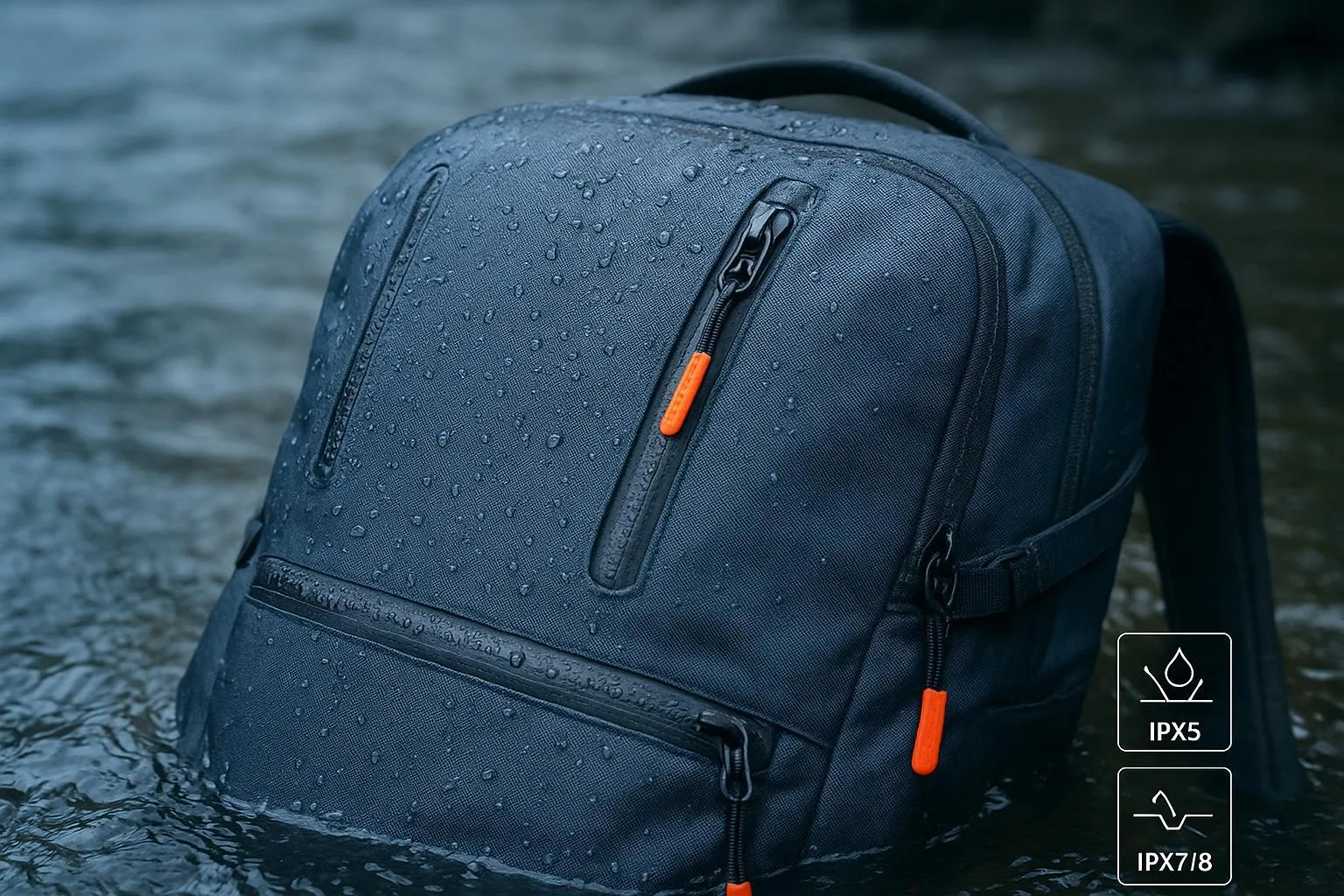
The IPX rating measures a zipper’s water resistance. An IPX5 rating means it can withstand water spray from any direction. This rating ensures your gear stays dry during outdoor activities.
How often should I clean my waterproof zippers?
You should clean your waterproof zippers after every use, especially if they come into contact with saltwater or dirt. Regular cleaning prevents buildup and maintains zipper performance.
Can I use regular soap to clean my zippers?
Yes, you can use mild dish soap mixed with water to clean your zippers. Avoid harsh chemicals, as they can damage the zipper’s waterproof coating.
How do I know when to reapply DWR treatment?
Reapply the DWR treatment when water no longer beads up on the fabric. If the material starts to ‘wet out,’ it’s time to refresh the coating for optimal performance.
What should I do if my zipper gets stuck?
If your zipper gets stuck, try applying a zipper lubricant. Gently clean any debris around the teeth. If it remains stuck, carefully unzip it in the opposite direction to remove any blockages.