
You often see the word “waterproof” on things. But this word often confuses people. Many think their phone can go underwater. But IP67 or IP68 ratings mean short protection. This is only true under certain rules. Seals get worse over time. They stop working well. Companies must explain real water protection. They should use IPX ratings. Examples are IPX7 and IPX8. This article shows companies how to talk clearly. It helps you pick the right products. You can learn from ZIZIP. They know about real waterproofing.
Key Takeaways
IPX ratings tell you how well a product protects against water. The ‘X’ means it was not tested for dust.
IPX7 means a product can go in water 1 meter deep for 30 minutes. IPX8 means it can go deeper and for longer, but the company must say how deep and for how long.
Always look for IPX ratings instead of just the word ‘waterproof.’ ‘Waterproof’ can be confusing and does not have clear rules.
Good companies like ZIZIP clearly explain their IPX ratings. They tell you the test depth and time. This helps you choose the right product for your needs.
Understanding IPX Ratings for Waterproof Gear
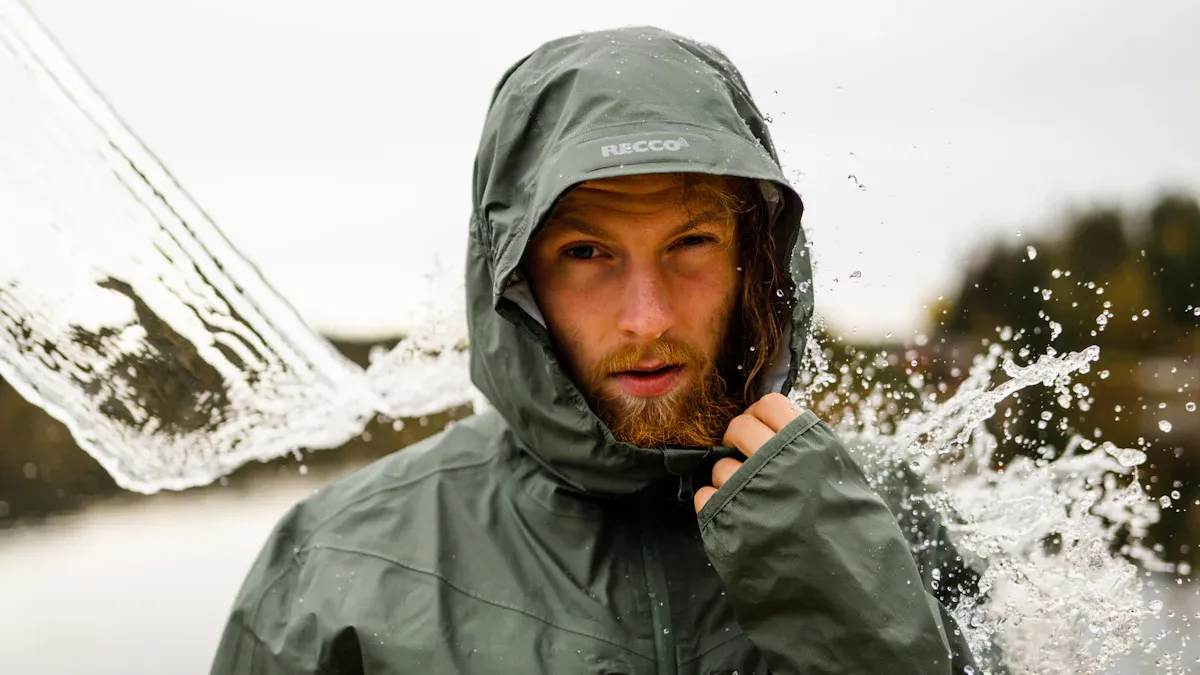
You need to understand what “waterproof” truly means for your gear. The IPX rating system gives you clear information. It helps you know how well a product protects against water. This system is much better than vague words.
Decoding IPX Ratings
The ‘IP’ in IPX rating stands for ‘Ingress Protection Code’. This system uses numbers to show how well something protects against solids and liquids. You see two digits after ‘IP’. The first digit tells you about protection from solid things, like dust. The second digit tells you about protection from liquids, like water.
Look at this table to see the difference:
Code letters | First | Second |
|---|---|---|
Solid particle protection | Liquid ingress protection | |
IP | 0–6 or X | 0–9 or X |
By definition | Required | Required |
The first digit shows how well a product protects against solid objects. This includes dust or dirt. The second digit shows how well it protects against water. Sometimes, you see an ‘X’ instead of a number. This ‘X’ means the product has not been tested for that type of protection. For example, IPX7 means it was tested for water, but not for solids.
Many companies use words like “water-resistant” or “splash-proof.” These words do not tell you much. They can confuse you. You might buy something advertised as “waterproof” and find it fails with a little moisture. IP ratings remove this confusion. They give you clear, tested information. This helps you choose products that truly perform as you expect.
IPX7: Temporary Submersion Protection
An IPX7 rating means your gear can handle temporary submersion in water. This is a specific level of protection. To get this rating, a device goes through a special test.
Here is how they test for IPX7:
Test Setup: They place the device as you would normally use it. Its casing must be sealed.
Water Depth: They put it in water. The water is 1 meter (about 3.3 feet) deep.
Duration: The device stays in the water for 30 minutes.
Post-Submersion Check: After they take it out, they check it. They look for water inside. They also make sure all parts, like buttons, still work.
Pass Criteria: The device must show no water damage. It must work perfectly. There should be no leaks or short circuits.
Products with an IPX7 rating are good for immersion up to 1 meter. For example, pool lighting often has this rating. It protects against accidental drops in water or heavy rain.
IPX8: Advanced Submersion Capabilities
IPX8 offers even stronger protection. This rating means your gear can handle continuous submersion in water. It goes beyond the 1-meter depth of IPX7. For IPX8, the manufacturer sets the exact depth and how long the product can stay submerged. This depth is usually more than 1 meter. It can be 2 meters, 3 meters, or even deeper. The time can be much longer than 30 minutes.
Products with an IPX8 rating are for serious water activities. Think about diving equipment or gear used in very wet conditions. They offer the highest level of water protection you can get.
Comparing IPX7, IPX8, and Other Ratings
It helps to see how IPX7 and IPX8 compare to other common ratings. Each rating offers a different level of water protection.
Rating | Description of Water Protection |
|---|---|
IPX4 | Withstands 10 minutes of water splashing and spraying; suitable for light/moderate rain and sweat. Not for showering or swimming. |
IPX5 | Survives 15 minutes under a jet of water (12.5 liters/min); considered splashproof/sweatproof. Can handle heavy rain, but showering is not advised, and not suitable for swimming. |
IPX6 | Survives 3 minutes under powerful jets of water (100 liters/min); suitable for heavy rain and showering. Not suitable for swimming. |
IPX7 | Can be fully immersed in water up to 1 meter (3 feet) for at least 30 minutes. Suitable for heavy rain, showering, and swimming in shallow water. |
IPX8 | Can be fully submerged in water between 1 and 3 meters (3.3-10 feet) for an indefinite time (manufacturer-determined). Suitable for all water activities, including deeper submersion. |
You can see that IPX4 and IPX5 protect against splashes or jets of water. They are not for submersion. IPX6 handles stronger jets, good for heavy rain. IPX7 allows temporary submersion. IPX8 gives you the best protection for deeper, longer water exposure. Choose the rating that matches your needs.
ZIZIP Best Practices for Waterproof Communication
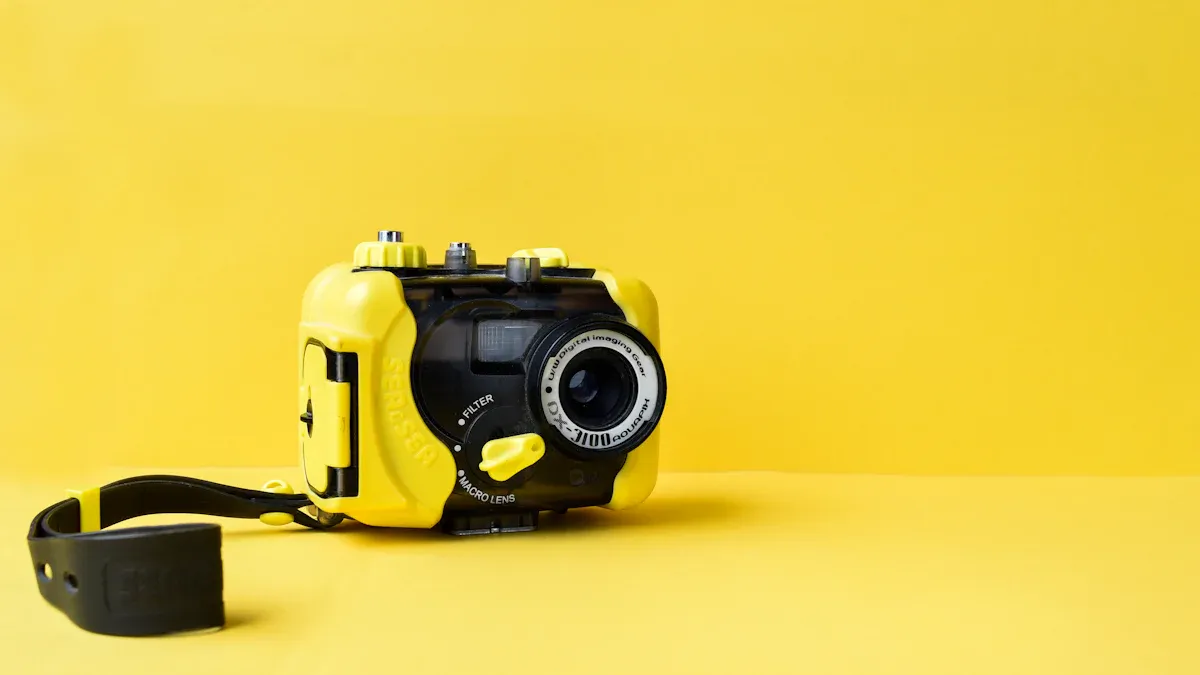
You now know about IPX ratings. But a simple number is not enough. Companies must share more details. This helps you choose wisely.
Beyond ratings: The necessary details to be provided
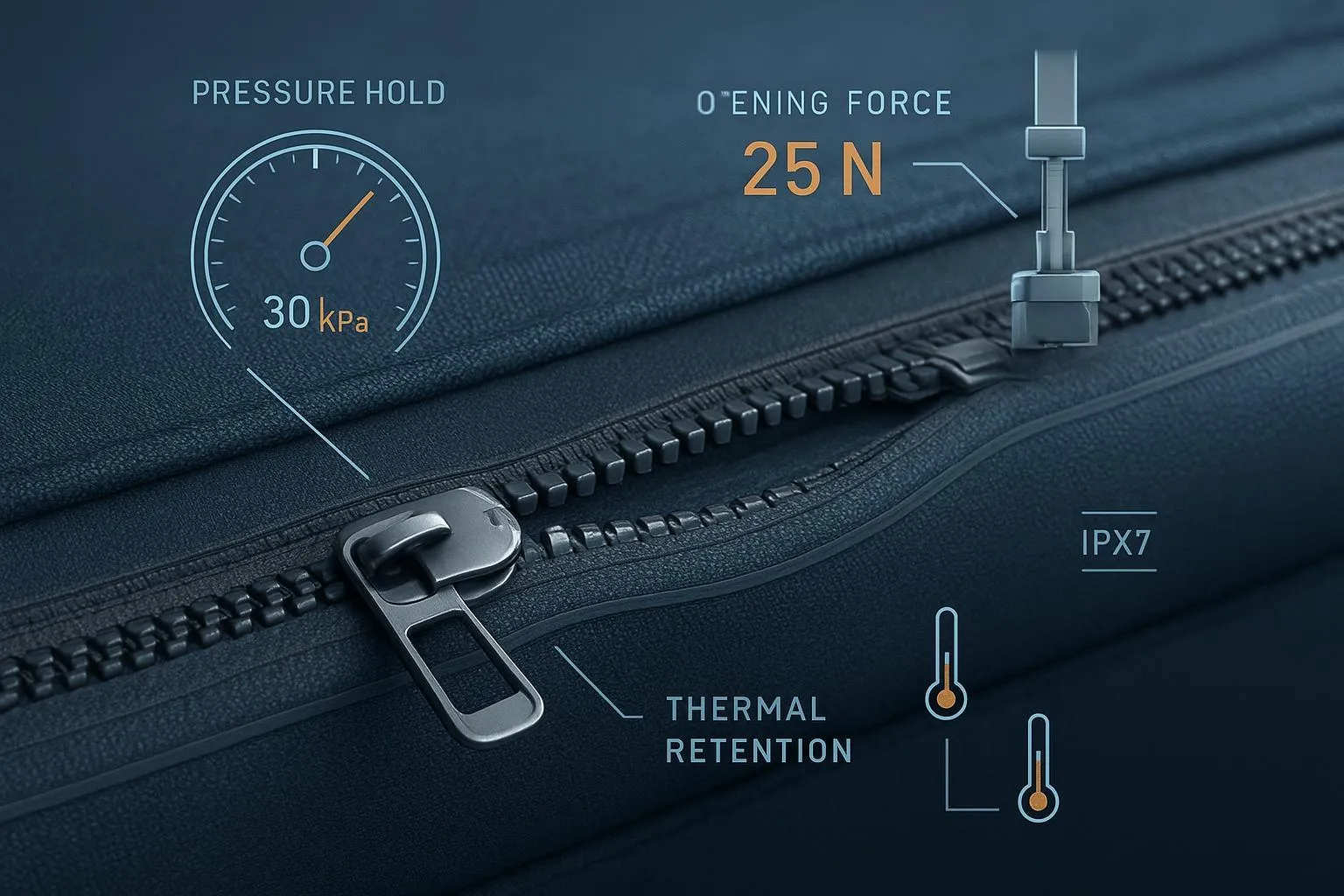
An IPX rating is a good start. It shows basic protection. But you need more facts. Companies should always state test conditions. For IPX7, it means 1 meter for 30 minutes. For IPX8, they must tell you the depth. They must also say how long. You should see this clearly. Pictures or charts can help you understand.
A certified IPX rating comes from tests. A special company does these tests. This lets brands say how well a product protects. This certificate proves the device meets your needs. It also helps you use products safely. Brands use IPX ratings to compare models. They make ads based on these facts. This helps you pick good products. This information guides your buying. Brands also use IPX rating details to set prices.
ZIZIP Example: Specifying Test Conditions, Product Types, and Usage Scenarios
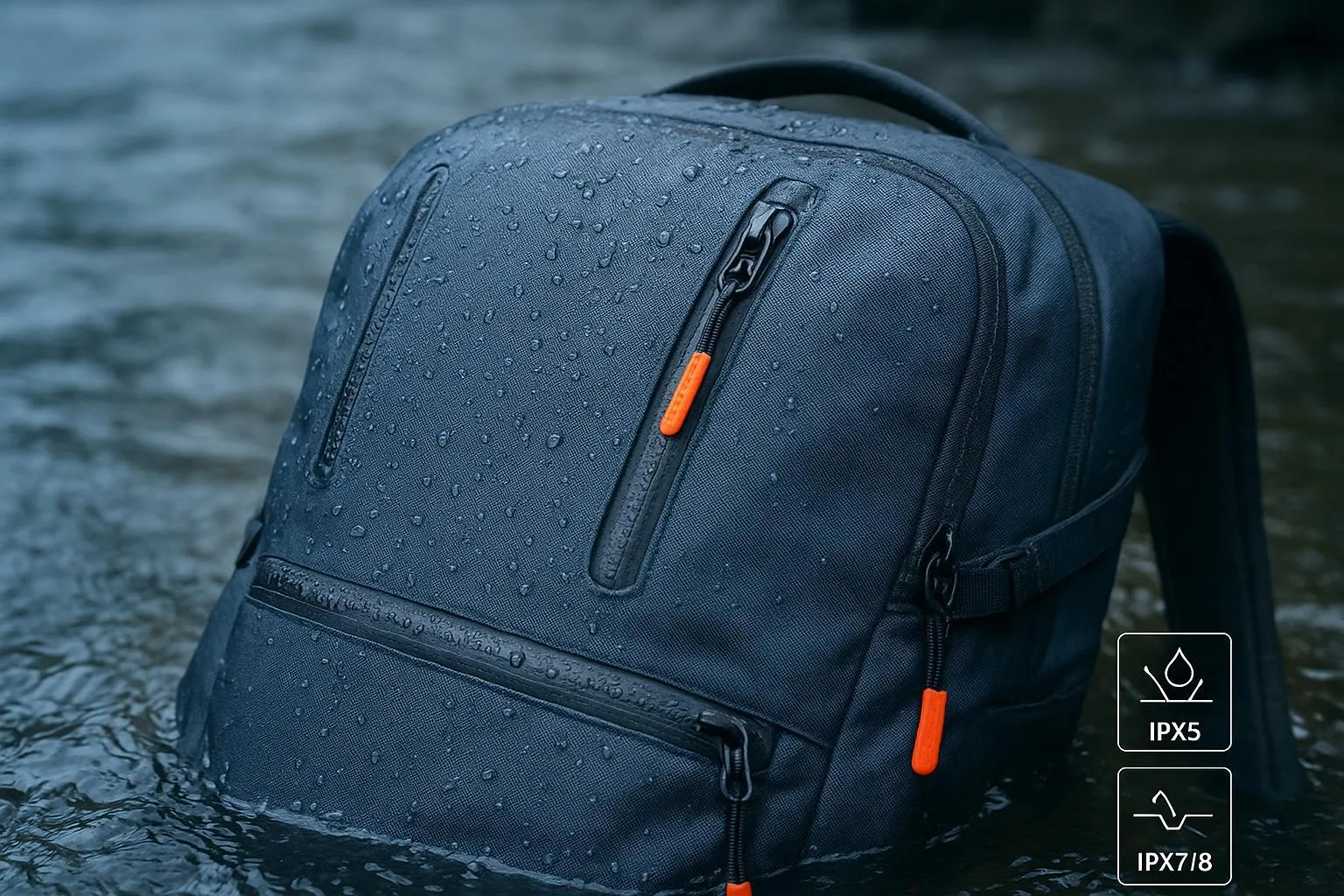
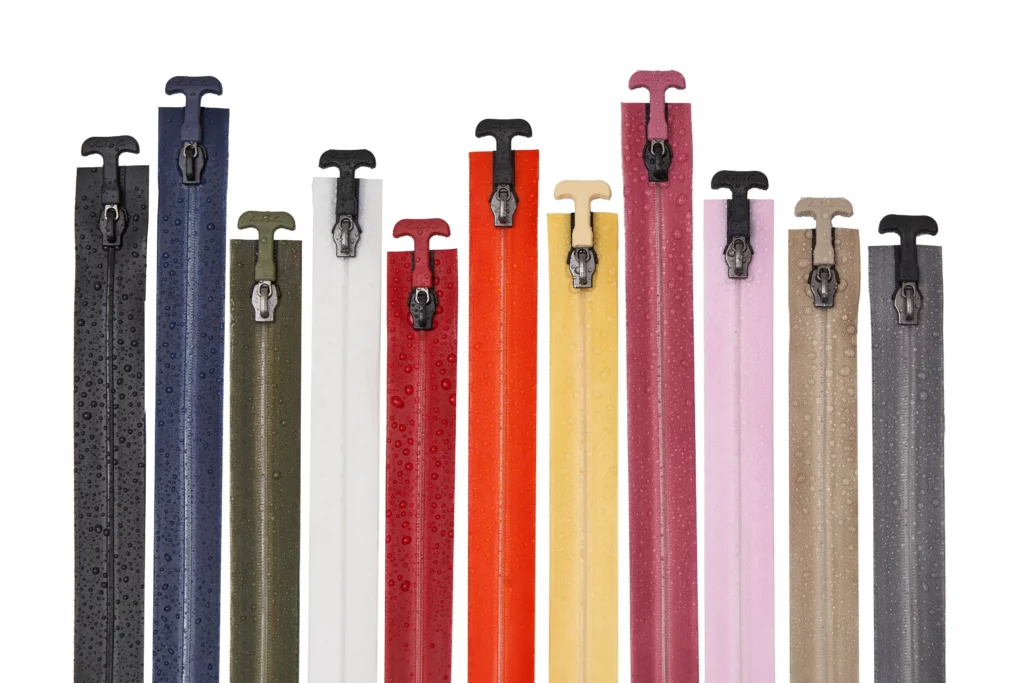
ZIZIP shows how to talk clearly. They explain their ratings. ZIZIP’s AquaSeal zippers have an IPX5 rating. This means they stop water spray. Their AeroSeal zippers are IPX7 and IPX8. These zippers can go underwater. ZIZIP clearly states the test depth. They also state the time. For example, IPX8 might mean 2 meters for 60 minutes.
ZIZIP also tells you which products use these zippers. This includes coats and backpacks. It even includes aerospace parts. They suggest how to use them. You will know if a product is good for hiking. You will know if it is good for sailing. ZIZIP has over 20 years of experience. They have more than 30 patents. This shows they are experts. They promise clear talks for many uses.
Contextualizing Waterproof Claims
Brands must explain IPX ratings. They must link them to how you use a product. For clothes, say if it handles heavy rain. Say if it can go fully underwater. For gear, explain its use in water. For example, an IPX7 backpack is good. It is good if it falls in a shallow stream. An IPX8 diving suit is for deep water. This helps you find the right product.
Limitations and Care for Waterproof Products
It is good to know what IPX ratings do not cover. The IPX rating system only checks water. It does not check dust. It does not check solid particles. Also, these ratings do not cover strong water jets. They do not cover saltwater damage. Very hot or cold can harm seals. Normal use can also lessen protection.
Brands should tell you how to keep products waterproof.
Ask Questions & Test: Brands should talk to suppliers. They should ask about waterproof fabrics. They should test a few items first. This stops problems.
Embroidery: If a product has embroidery, add a backing. This seals the embroidered part. Embroidery makes small holes. This step is important.
Heat Transfer: For heat transfer, use strong glue. Gorilla Grip II works for simple designs. For many colors, ask your supplier for glue. Or send it to experts.
Communicating Waterproof Information
Brands should put waterproof facts in many places. You should find it easily. It should be on product pages. It should be on packaging. It should be in manuals. Make this information easy to see. This helps you find details fast. Clear talks build trust.
Consumer Guide: Informed Waterproof Choices
Decoding Product Descriptions
You need to read product descriptions. Look for IPX ratings. These give clear facts. If it just says “waterproof,” be careful. This word is not clear. There are no rules for it. Always find products with an IP rating. This is true for important things.
An IPX7 rating means 1 meter. It means 30 minutes. For IPX8, the maker sets rules. They must say the depth. They must say the time. For example, “IPX8: 2 meters for 60 minutes.” This depth is over 1 meter. The time is over 30 minutes. These rules are tougher than IPX7.
Matching IPX Rating to Use
Match the IPX rating to your needs. Do you need splash protection? Do you need rain protection? Or full water submersion? Higher IPX numbers mean more water protection.
Look at these examples:
IPX Rating | Protection Level | Example Application |
|---|---|---|
IPX4 | Splashing water | Suitable for moderate rain |
IPX5 | Water jets | Can be cleaned with a hose nozzle |
IPX7 | Immersion up to 1m | Smartphones, smartwatches |
IPX8 | Immersion beyond 1m | Professional diving equipment |
IPX4 stops splashes. This works for light rain. IPX7 protects in 1 meter of water. It lasts 30 minutes. This is good for drops. IPX8 handles constant submersion. It goes over 1 meter. This is for deep diving. Pick the IPX level you need.
Value of Brand Transparency
Choose brands that are clear. They should be honest. They should tell you what products can do. They should also say what they cannot. ZIZIP is open about this. They state their IPX ratings. They state test conditions. This helps you choose well. You can trust brands that share all facts.
Talking clearly about IPX7/8 is very important. It makes people trust a brand. It also makes customers happy. ZIZIP is a great example. They explain how deep things can go in water. They say how long they can stay there. They also tell you what the products cannot do. This helps you pick the right things. You can feel sure about your choice. This is good for outdoor fun. Other brands should be like ZIZIP. They should share test details. They should be open about everything. You, as a shopper, should look for IPX ratings. You should also look for the details. Together, we can make the waterproof market more honest.
FAQ
What does the ‘IPX’ in IPX rating mean?
‘IPX’ means Ingress Protection. The ‘X’ shows no solid testing. The number tells about water protection. This system gives clear facts. It shows how well things block water.
What is the main difference between IPX7 and IPX8?
IPX7 protects in water. It is for 1 meter deep. It lasts 30 minutes. IPX8 is stronger. It handles more water. It goes deeper than 1 meter. The maker tells you how deep. They also say how long.
Why should I look for an IPX rating instead of just “waterproof”?
“Waterproof” is not clear. It has no rules. An IPX rating gives facts. It tells you the water protection level. This helps you choose your gear.
How can I best care for my waterproof products?
Follow the maker’s guide. Keep seals from hot or cold. Clean your gear well. Look for broken seals. This keeps it waterproof.