Choosing the right waterproof zipper material is very important. It helps your products work well and last longer. Zizip makes high-quality waterproof zippers. They provide solutions for many different uses. The worldwide market for waterproof zippers will grow a lot. It is expected to reach 2.6 billion USD by 2032. This growth is due to more people wanting water-resistant materials. Also, outdoor activities are becoming more popular.
Knowing the good and bad sides of materials like TPU, PU, and PVC can help you decide better. Each material has special features. These features fit different uses, from outdoor gear to industrial needs.
Key Takeaways
Picking the best waterproof zipper material is important for how well a product works and lasts.
TPU zippers are very strong and flexible. They are great for outdoor gear and sports clothes.
PU zippers are light and very waterproof. However, they might droop when wet and can be heavier in thicker layers.
PVC zippers are tough and waterproof. They are good for industrial uses, but they can harm the environment because of bad chemicals.
Think about cost, flexibility, and waterproofing when choosing a zipper for your needs.
Waterproof Zippers Overview
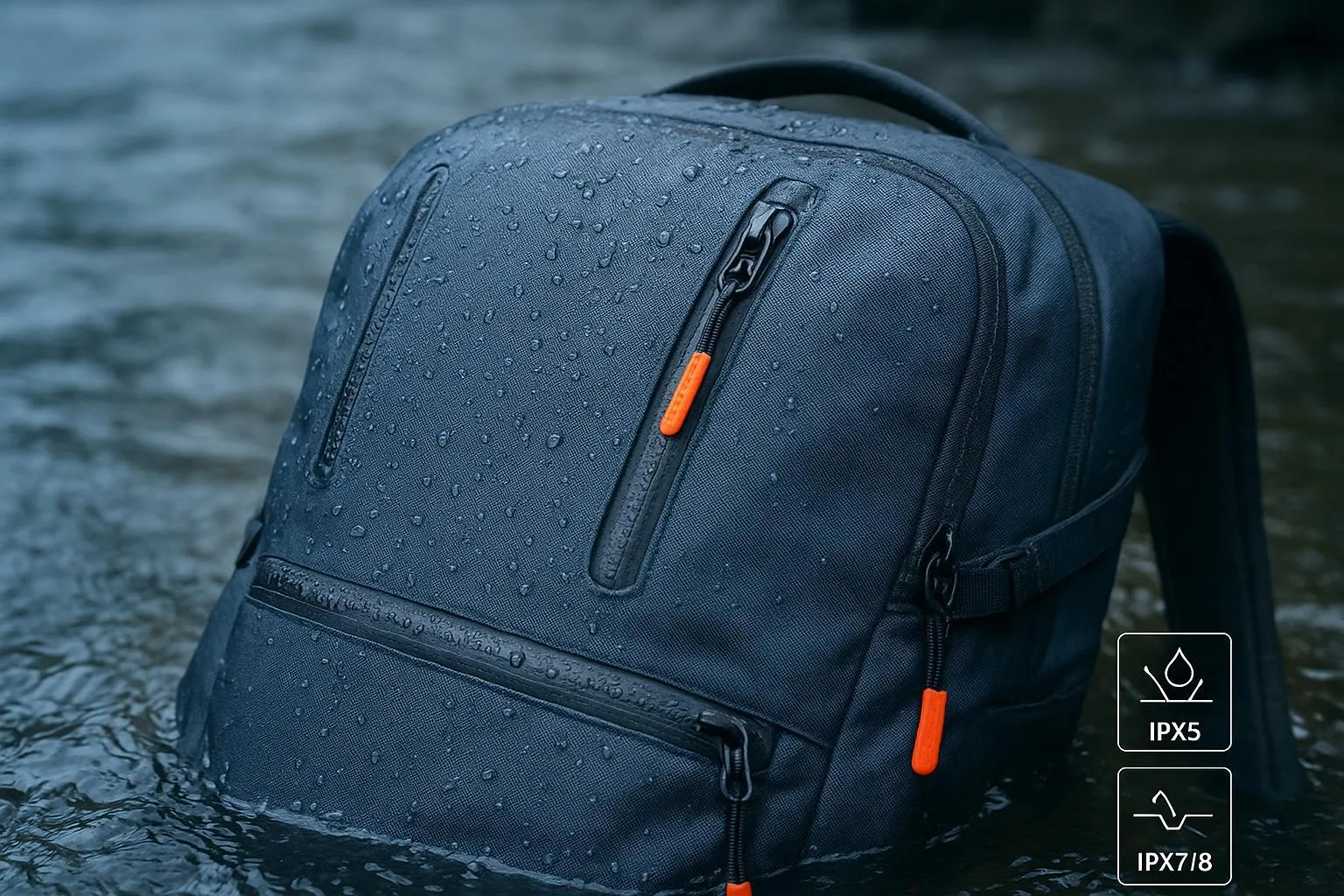
Waterproof zippers are very important for outdoor and industrial uses. They keep your gear dry and safe from water. When you are outside, the weather can change quickly. Waterproof zippers make sure your jackets, tents, and backpacks stay safe from rain and wetness. They help you relax, so you can enjoy your activities without worrying about getting wet.
Here are some common uses for waterproof zippers:
Use Case | Description |
|---|---|
Securing Outdoor Apparel | Strong zippers in jackets and pants stop water from getting in and work well in cold weather. |
Tents and Shelters | Tough zippers help set up quickly and close tightly in bad weather. |
Backpack and Gear Closures | Zippers in backpacks keep things safe and often have lockable sliders for extra safety. |
Sleeping Bag Fastenings | Zippers make it easy to get in and out, with designs that stop jamming in cold weather. |
Protective Gear and Accessories | Zippers in items like knee pads and gloves make sure they fit well and keep out dirt and debris. |
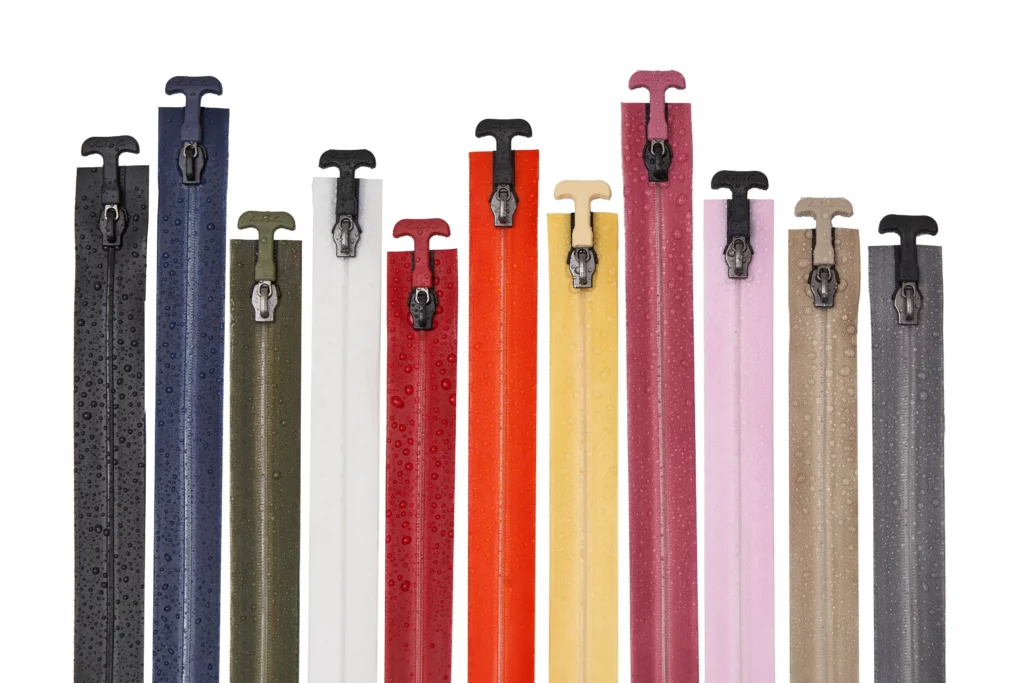
Zizip is a top choice for high-quality waterproof zippers. With over 20 years of experience, Zizip focuses on being innovative and reliable. Their zippers, like the YKK 10 Waterproof Zipper, create a tight seal. This design stops moisture from getting in, keeping your gear dry. Zizip uses strong materials, which makes them last in outdoor conditions. You can trust their zippers to work smoothly, even in tough situations.
Choosing Zizip means you get reliable waterproof zippers that improve your outdoor fun. Whether you are hiking, camping, or working in hard jobs, Zizip’s products give you the performance you need.
TPU Waterproof Zippers
TPU Material Features
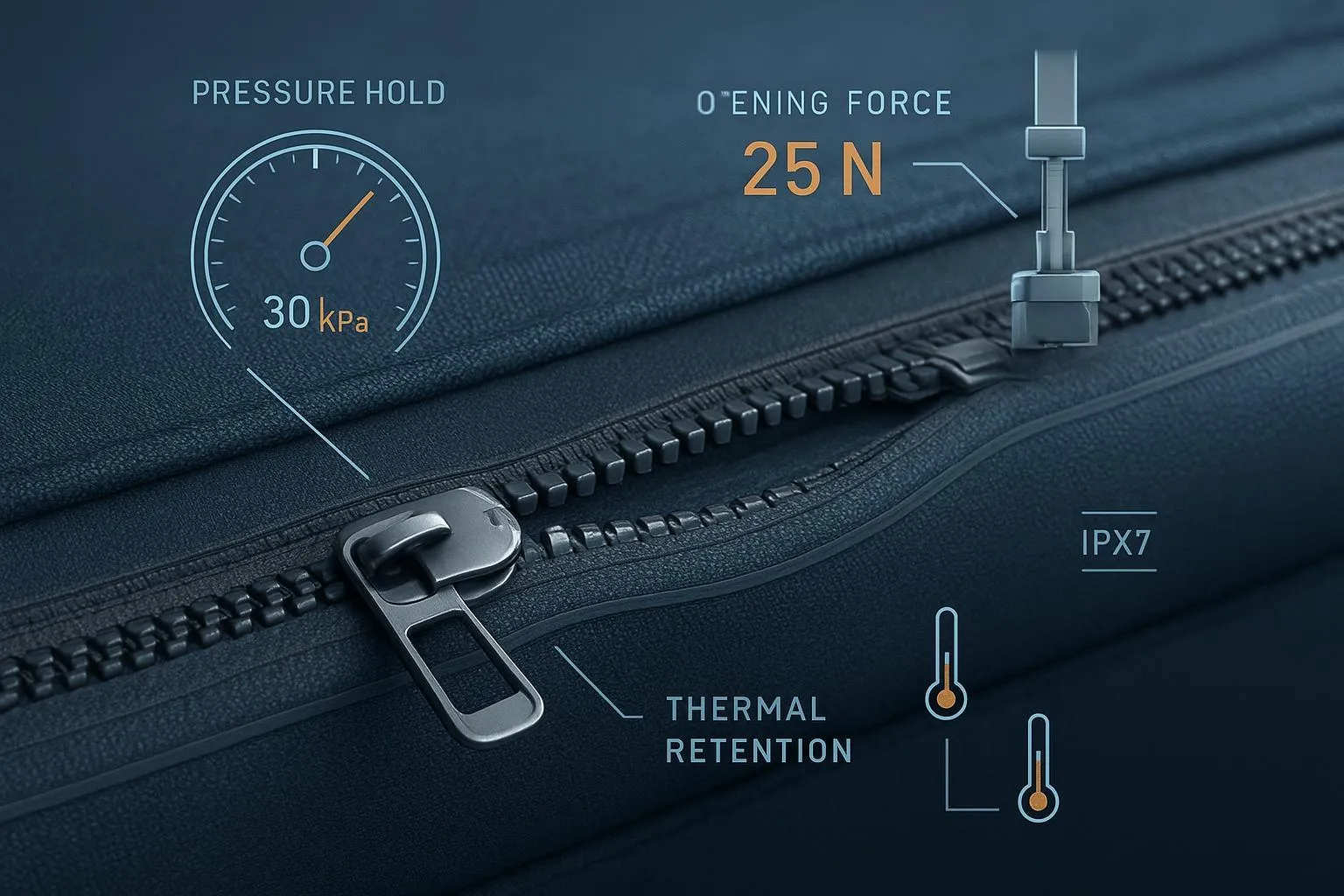
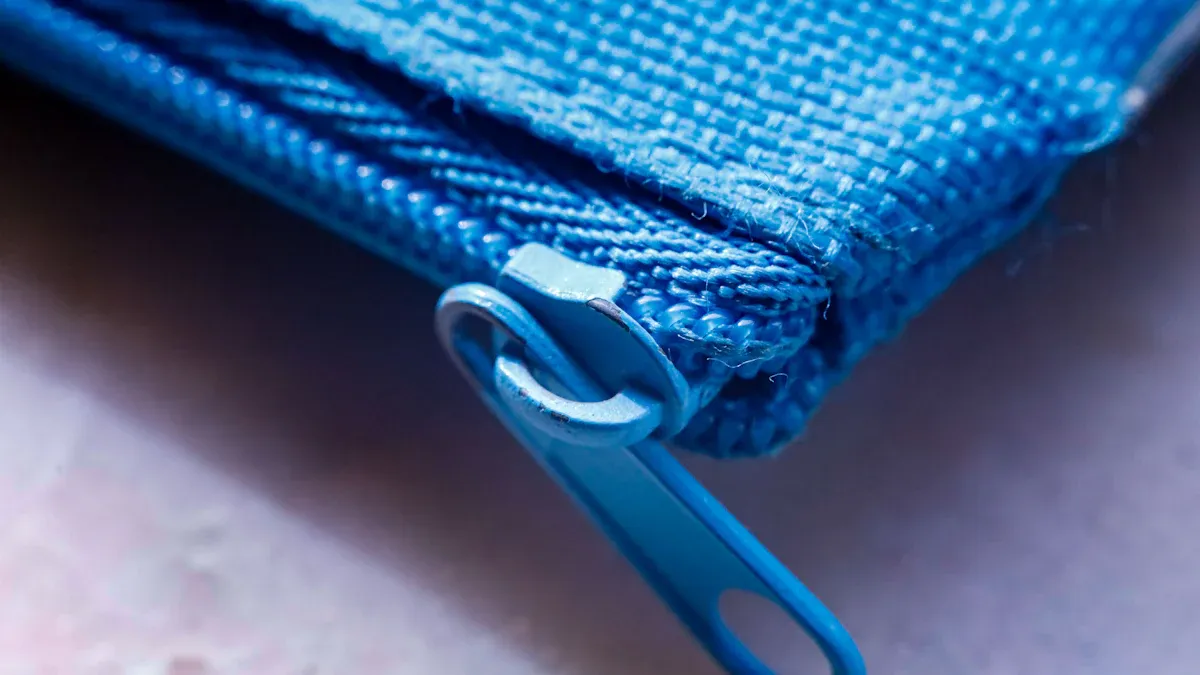
Thermoplastic polyurethane (TPU) is a flexible and strong material. This makes TPU-coated waterproof zippers great for many uses. TPU has an “Excellent” flexibility rating. In comparison, PVC has a “Fair” rating and nylon has a “Good” rating. This flexibility helps you pack and carry items easily without damaging them.
TPU Zippers Pros and Cons
When thinking about TPU waterproof zippers, consider their good and bad sides:
Pros:
High Durability: TPU zippers resist damage, making them good for tough places.
Water Resistance: They create a strong seal against water, keeping your gear dry.
Flexibility: TPU zippers fit different shapes and sizes well, making them easy to use.
Cons:
High Cost: TPU zippers usually cost more than regular plastic ones.
Limited Weather Resistance: Long exposure to sunlight can harden TPU, which affects its stretchiness.
Temperature Limitations: TPU zippers usually can’t handle temperatures over 85°C, which limits their use in hot areas.
Disadvantage | Description |
|---|---|
High cost | TPU is usually pricier than regular plastics, which can limit its use. |
Limited weather resistance | TPU can harden and lose stretch when exposed to sunlight for too long. |
Insufficient temperature resistance | TPU usually can’t handle temperatures above 85°C, limiting its use in hot areas. |
Applications for TPU Zippers
TPU waterproof zippers are used in many industries because they work well and are reliable. Here are some common uses:
Outdoor Gear and Apparel: TPU zippers are often found in hiking backpacks and fishing jackets. Their strong seals keep water out in tough conditions.
Sportswear: Athletes enjoy the strength and flexibility of TPU zippers, which help their gear last through heavy use.
Aerospace: In aerospace, TPU zippers must handle extreme conditions like heat, cold, and pressure changes. They are made to work well in important situations.
By choosing TPU waterproof zippers, you make sure your products stay useful and dependable, even in the toughest situations.
PU Waterproof Zippers
PU Material Features
Polyurethane (PU) is a flexible material. It is known for being very waterproof. PU is also very strong and lasts a long time. It works well in wet places. Here are some important features of PU:
Great waterproof abilities
Very strong
Can be used in many ways
Gets high hydrostatic head ratings, perfect for wet areas
PU Zippers Pros and Cons
When thinking about PU waterproof zippers, you should look at the good and bad sides:
Pros:
Durability: PU waterproof zippers can handle bad weather. They are great for outdoor gear.
Waterproofing: PU keeps products dry and safe from the weather.
Ease of Use: PU is light and flexible, making it easy to use in different designs.
Environmental Advantages: Making PU zippers uses less energy and creates less waste, showing care for the environment.
Cons:
Decreased Tear Strength: PU can make the fabric weaker where it is used.
Long-term Waterproofness Issues: PU can have problems staying waterproof over time.
Increased Weight: Thicker PU layers can make the zipper heavier.
Sagging in Wet Conditions: PU zippers might sag when they get wet, which can affect how they work.
Susceptibility to Mold and Mildew: If not taken care of, moisture can cause mold to grow.
Applications for PU Zippers
PU waterproof zippers are used in many products because they work well. Here are some common uses:
Product Category | Usage Description |
|---|---|
Bags | Found in backpacks and other bags to keep water out. |
Outdoor Gear | Used in rain jackets and similar items. |
Full Submersion Items | Not usually used because they can break down. |
By choosing PU-coated waterproof zippers, you make sure your products stay useful and reliable in different places.
PVC Waterproof Zippers
PVC Material Features
Polyvinyl chloride (PVC) is a common choice for waterproof zippers. It has great waterproof abilities, making it perfect for many uses. PVC zippers keep their shape even when stressed because they have low creep deformation. This strength helps them last in tough situations. Here are some important features of PVC:
Durability: Very resistant to wear, good for outdoor use.
Waterproof: Great waterproof abilities, perfect for covers and tarps.
Chemical Resistance: Stands up to many chemicals, good for industrial use.
UV Resistance: Can handle long sunlight exposure without breaking down.
Flexibility: Can be shaped easily without losing strength, allowing for many uses.
PVC Zippers Pros and Cons
When thinking about PVC waterproof zippers, you should look at their good and bad sides:
Pros:
Strong Waterproofing: PVC zippers are great at stopping leaks, even in tough conditions. Their heat-welded joints make them even more reliable.
Chemical Stability: PVC does not change much in its structure, making it a dependable choice for many uses.
Low Maintenance: Easy to clean and does not stain or grow mold easily.
Cons:
Environmental Concerns: PVC is one of the most harmful plastics. It releases toxic chemicals during its life, which can be dangerous.
Less Breathable: PVC does not breathe as well as other materials, which can trap moisture if not ventilated properly.
Applications for PVC Zippers
PVC waterproof zippers are used in many fields because they are strong and waterproof. Here are some common uses:
Marine Gear: Great for boat covers, buoyancy aids, and wetsuits, where waterproofing is very important.
Protective Clothing: Used in safety jackets and military uniforms to protect against the weather.
Outdoor Equipment: Found in tents and outdoor gear, giving reliable waterproof closures.
By choosing PVC waterproof zippers, you make sure your products stay useful and dependable in different environments.
Comparing TPU, PU, and PVC Zippers
Key Differences
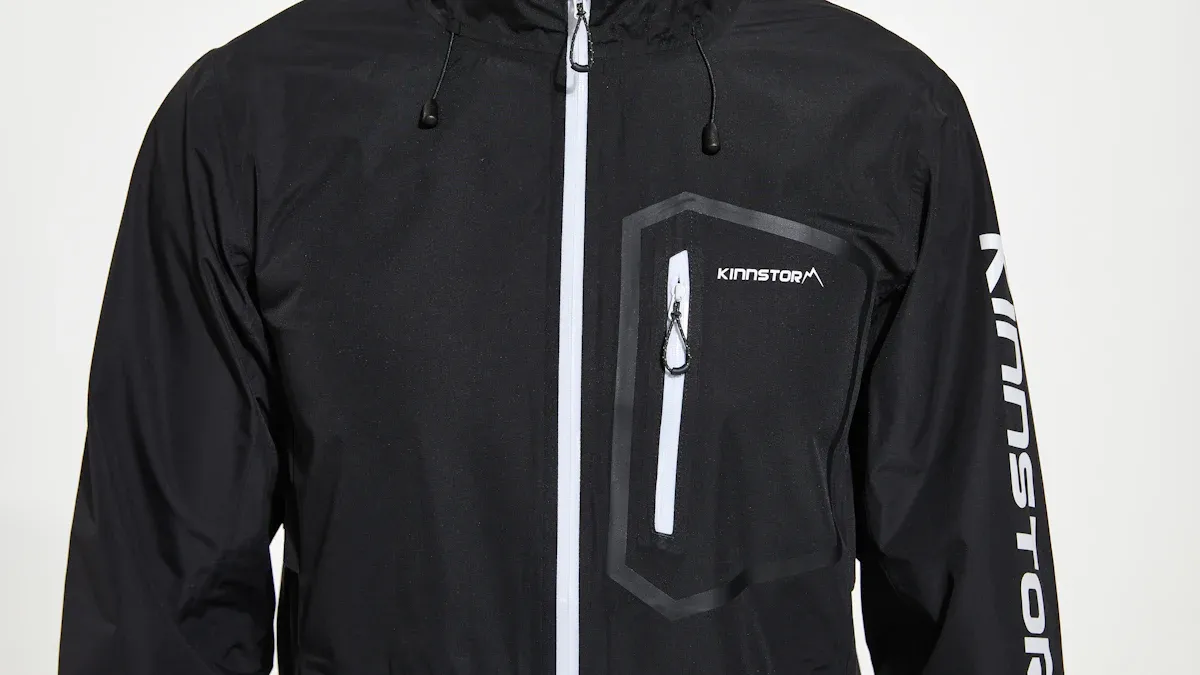
When you look at TPU, PU, and PVC zippers, you see some big differences. Each material has special traits that change how well it works and where it can be used. Here’s a quick summary:
Material | Waterproof Rating | Flexibility | Weight | Breathability | UV Resistance | Cost | Applications |
|---|---|---|---|---|---|---|---|
PU (Polyurethane) | 1,000–5,000 mm | High | Lightweight | Moderate | Fair (unless treated) | Low to Moderate | Outdoor gear, apparel, backpacks |
PVC (Polyvinyl Chloride) | 10,000–30,000 mm | Moderate (stiffens in cold) | Heavy | None | High | Low | Industrial tarps, truck covers, marine gear |
TPU (Thermoplastic Polyurethane) | 5,000–20,000 mm | Excellent | Lightweight to medium | High | Excellent | Moderate to High | Medical, sportswear, inflatable products |
This table shows that TPU zippers are great for flexibility and UV resistance. This makes them perfect for high-performance uses. PU zippers are lightweight and have good waterproofing. PVC zippers are very waterproof but can be heavier and less flexible.
Performance Metrics
When picking a zipper, you should think about how durable, flexible, and waterproof it is. Here’s how each material compares:
Flexibility: TPU zippers are very flexible and bend easily. This makes them great for items that need to be small. On the other hand, PVC zippers are stiffer and harder to fold.
Durability: TPU is soft and stretchy, which helps it last in many uses. PVC keeps its shape well, which is good for items that need structure.
Waterproofing Effectiveness: TPU usually has better waterproofing, especially for high-quality items. PU zippers also do well but might not last as long. PVC zippers are very waterproof but don’t breathe well.
Environmental Considerations
The impact on the environment is important when choosing zipper materials. Here’s how each material affects the environment:
TPU (Thermoplastic Polyurethane): This material is the most eco-friendly choice. It doesn’t have chlorine or phthalates and can be recycled easily. TPU works well with safe technologies, making it a good choice for the planet.
PU (Polyurethane): PU has become more sustainable with water-based and safe coating methods. This helps keep costs down while caring for the environment.
PVC (Polyvinyl Chloride): PVC has serious environmental issues. It releases harmful chemicals during its life. However, it can be made better with safer plasticizers and low-VOC methods.
Picking the right waterproof zipper is very important for your products. Each type—TPU, PU, and PVC—has its own good and bad points. Think about things like how long it lasts, how flexible it is, how waterproof it is, and how much it costs when you decide.
Here’s a quick comparison:
Material | Durability | Flexibility | Waterproofness | Cost | Transparency |
|---|---|---|---|---|---|
TPU | High | High | High | Moderate | Often Clear |
PVC | High | Low | High | Low | Clear/Opaque |
Coated Nylon | Moderate | High | High | Moderate | Opaque |
Zizip is known for its focus on quality and new ideas in waterproof zipper technology. With more than 20 years of experience, Zizip makes sure you get dependable solutions that fit your needs.
FAQ
What are waterproof zippers made of?
Waterproof zippers can be made from different materials like TPU, PU, and PVC. Each material has its own benefits. They offer flexibility, durability, and water resistance, which makes them good for various uses.
How do I maintain waterproof zippers?
To keep waterproof zippers in good shape, clean them often with mild soap and water. Don’t use strong chemicals. Use silicone spray to lubricate the zipper. This helps it work smoothly and prevents damage.
Can I use waterproof zippers in extreme temperatures?
Yes, you can use waterproof zippers in very hot or cold temperatures. But each material has its limits. TPU zippers work well in cold weather, while PVC zippers handle heat better.
Are waterproof zippers suitable for waterproof backpacks?
Yes! Waterproof zippers are very important for waterproof backpacks. They help keep your gear dry and safe from rain and moisture. This ensures your things stay protected during outdoor activities.
Where can I buy high-quality waterproof zippers?
You can find high-quality waterproof zippers from special manufacturers like Zizip. They have many options for different uses, so you can find the right zipper for what you need.