Testing airtight zippers is very important. It helps make sure your products do not leak. Did you know that 90% of waterproof bags fail at the closures? This includes zippers. This fact shows why we need good sealing systems. Standards like IPX7 and EN ISO 12402 are very important. They make sure your airtight zipper works well. This gives you peace of mind. By learning about these standards, you can make your products more reliable. This helps stop expensive leaks in important situations.
Key Takeaways
Testing airtight zippers is very important. It helps stop leaks in waterproof gear. Pick zippers that follow standards like IPX7 for good performance.
Airtight zippers are important in many fields. These include marine, military, and medical. They keep water and air out to ensure safety.
Use water immersion and air pressure tests to check zippers. These tests find weak spots and make sure zippers work well under pressure.
Taking care of zippers, like lubricating and cleaning them, makes them last longer. Good care keeps your gear safe and reliable.
Buying high-quality zippers lowers returns and builds trust with customers. A strong zipper can really help in important situations.
Importance of Testing Airtight Zippers
Why Airtightness Matters
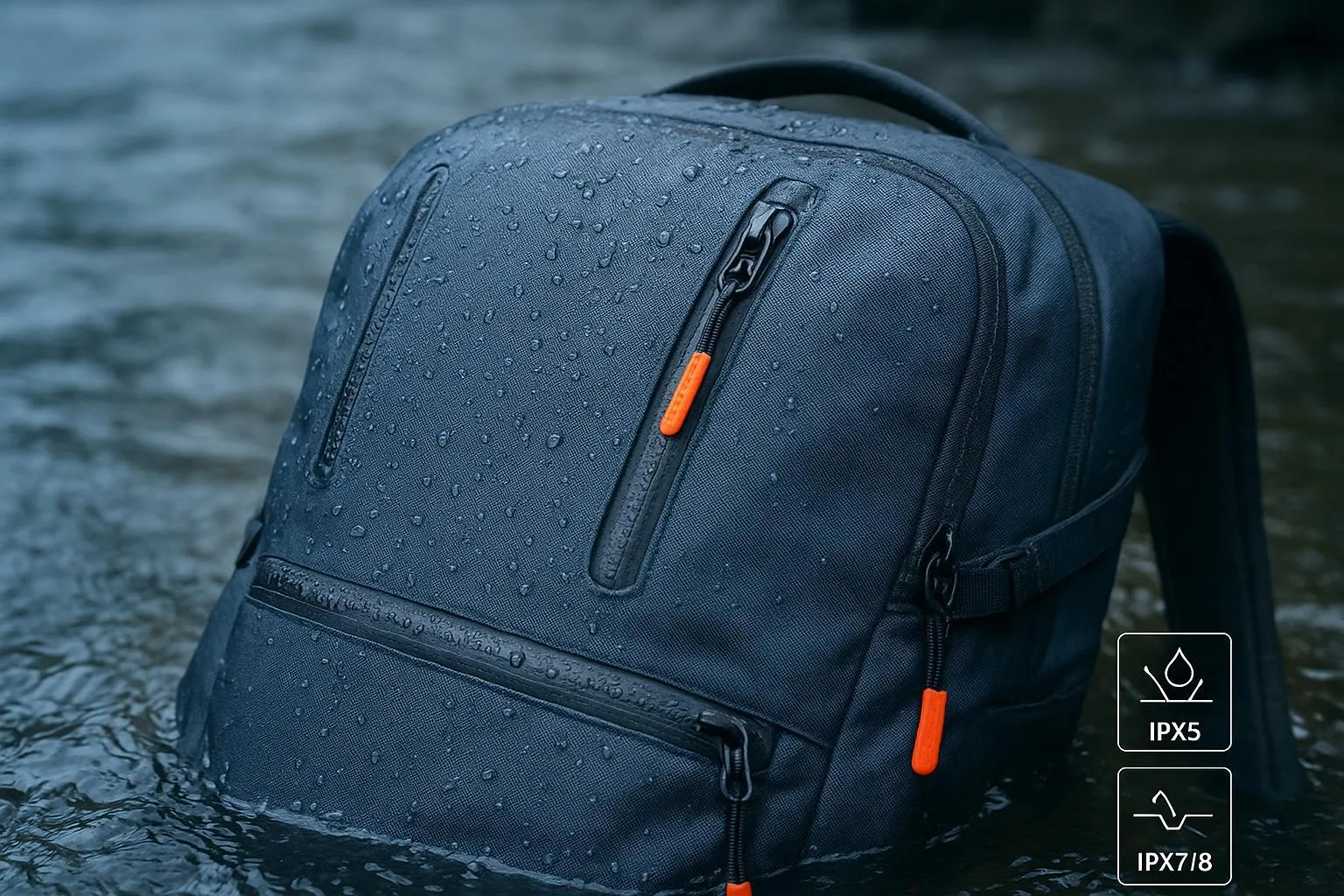
Testing airtight zippers is very important. It helps make sure your gear stays waterproof. You don’t want your gear to fail when you need it most. Imagine being on the water, trusting your gear to keep you dry, but the zipper leaks. This can cause serious problems, especially with life-saving gear like dry suits or life jackets.
Tip: Always pick tested airtight zippers for your waterproof gear. They help you feel safe and improve safety.
Zippers can be weak spots in waterproof bags. If they break, water can get in and ruin your equipment. Here’s a quick look at the dangers of using non-tested airtight zippers:
Evidence | Description |
|---|---|
Critical Component | In technical clothing, zipper failure can expose you, showing why tested zippers are needed. |
Zippers as Weak Points | Zippers are often the weakest part of waterproof bags, which can let water in if they fail. |
Non-tested Zippers | Non-tested airtight zippers might not seal well under pressure, risking waterproof safety. |
When you test your zippers, you check if they can handle being underwater and other tough conditions. This is very important for safety.
Applications of Airtight Zippers
Airtight zippers are used in many industries that need reliable sealing. Here are some common uses:
Marine and Diving Gear: Zippers in diving suits face pressure, saltwater, and moisture, so airtightness is key.
Outdoor Activities: Waterproof jackets, backpacks, and inflatable tents need airtight zippers to keep you dry during adventures.
Military and Industrial Use: Chemical protective suits and gas-tight suits need airtight zippers to stop exposure to dangerous materials.
Medical and Laboratory Use: High-isolation protective suits and biosecurity lab gear need airtight zippers to keep safety standards.
Airtight zippers are made for leak-free use under pressure. They block water and air from getting in, which is vital for staying buoyant and warm in water. If the zipper fails, water can come in, leading to hypothermia or drowning, which puts safety at risk.
Industry/Application | Examples |
|---|---|
Outdoor Activities | Waterproof jackets, backpacks, inflatable tents |
Military and Industrial | Chemical protective suits, gas-tight suits, sealed compartments |
Diving and Water Sports | Dry suits, wetsuits, life-saving equipment |
Medical and Laboratory Use | High-isolation protective suits, biosecurity laboratory gear |
Key Standards for Airtight Zippers
Understanding IPX7
The IPX7 standard is very important. It makes sure your airtight zippers work well in water. This standard says zippers can be underwater for 30 minutes at 1 meter deep without leaking. Here are the main rules of the IPX7 standard:
Requirement | Details |
|---|---|
Waterproof Rating | IPX7 certified, which means it stops liquids and gases from getting in when fully underwater. |
Airtightness | Made to have no leaks under pressure changes. |
Tensile Strength | Strength of 1205 N, which is more than the 900 N needed. |
Material | High-quality TPU that resists wear, water damage, and germs. |
Zizip‘s airtight zippers meet these rules. This makes them dependable for many uses.
Exploring EN ISO 12402
The EN ISO 12402 standard is about personal flotation devices. It makes sure they give enough buoyancy and safety. This standard highlights how important airtightness is in zippers for life jackets and safety gear. Zizip’s products follow this standard. They have features that improve waterproof performance and safety.
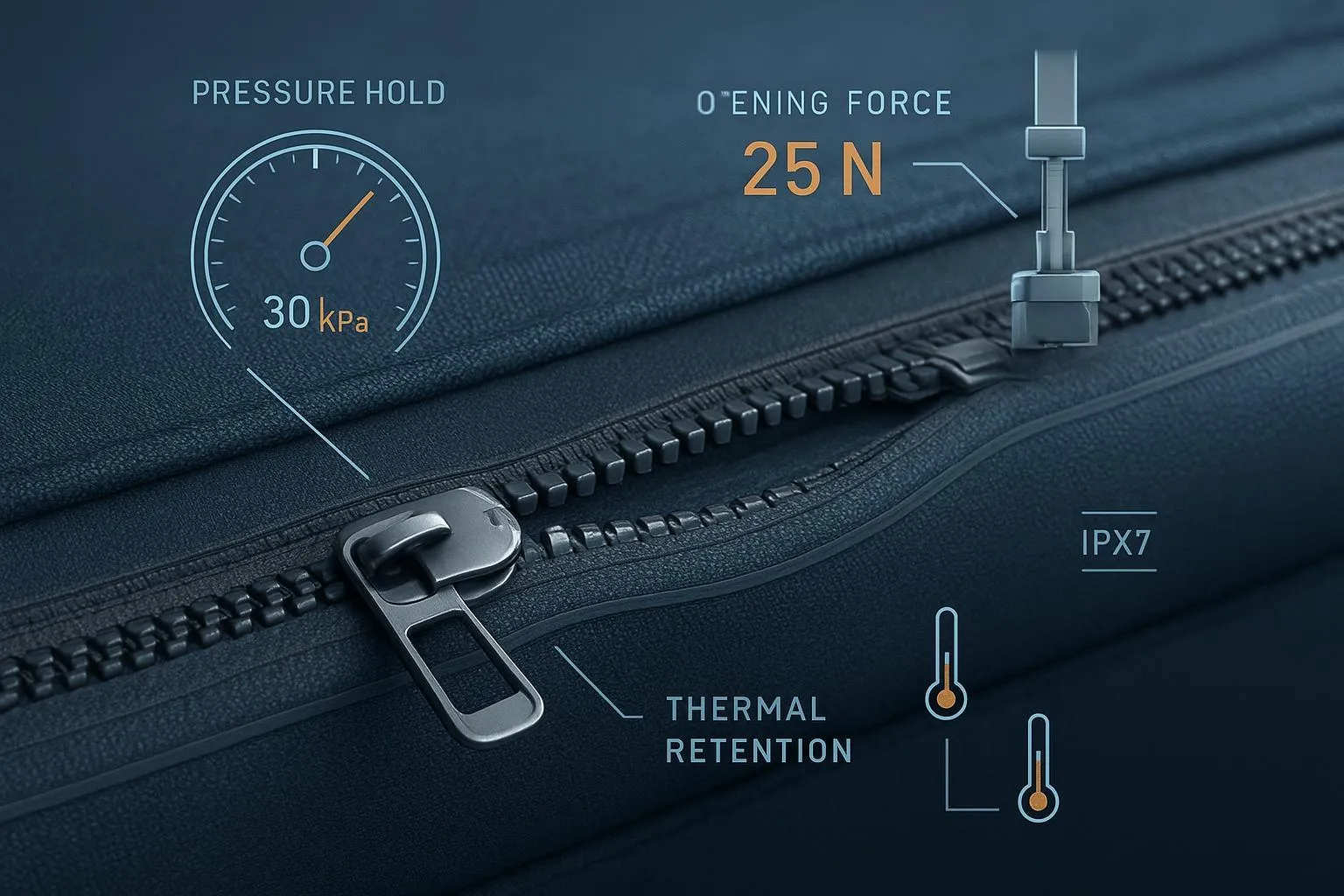
Zizip’s airtight zippers keep a tight seal at 40kPa for at least 15 seconds, which is better than medical isolation standards.
The dual-track models even provide IPX8 waterproofing, which is good for tough conditions.
These features mean you can trust Zizip zippers in important situations. Whether you’re diving deep or working in dangerous places, they keep you safe.
By following these standards, Zizip improves its products and helps with global safety rules. You can feel sure that Zizip’s airtight zippers stop water from getting in. They help keep you safe in tough conditions.
Methods to Test Airtight Zippers
Water Immersion Testing
Water immersion testing is a great way to check how waterproof airtight zippers are. This method mimics real-life situations where zippers might get wet. Here’s how it works:
Submersion: You put the zipper in water for a set time, usually 30 minutes at a depth of 1 meter, following the IPX7 standard.
Observation: After the time is up, you look for any signs of water getting in. This helps find weak spots in the seams and zippers that can cause leaks.
Standardized Methods: Companies often use standard methods like IPX ratings to make sure they check waterproof abilities consistently.
This testing shows how well a waterproof bag can keep valuable items safe from water. It’s very important for making sure your gear stays reliable in wet situations.
Tip: Always choose products that have been thoroughly tested in water. This means the zippers can handle your adventures.
Air Pressure Testing
Air pressure testing is another important way to check if zippers are airtight. This method tests how well a zipper can keep its seal when pressure changes. Here’s a simple breakdown of the steps:
Step | Description |
|---|---|
1 | Place the zipper between a water- and air-pressure chamber (30 mm wide; 240 mm long). |
2 | Fill the upper chamber with distilled water (water level above zipper: 15 mm). |
3 | Apply air pressure ΔP (air) based on the zipper type performance. |
4 | Keep the pressure on for 15 seconds. |
This method checks if the zipper can handle different pressure changes without leaking. It’s especially important for things like military or medical gear where airtightness matters.
Both water immersion and air pressure testing are key for checking the quality of airtight zippers. Zizip products use these advanced testing methods to make sure they meet international standards like IPX7 and EN ISO 12402. This focus on thorough testing means you can trust Zizip zippers in tough situations.
Summary of Testing Methods
In summary, here are the main testing methods for airtight zippers:
Water Immersion Testing: Checks waterproof performance by putting the zipper in water and looking for leaks.
Air Pressure Testing: Tests the zipper’s ability to keep a seal under pressure.
By knowing these methods, you can make smart choices about the zippers you pick for your waterproof products.
Troubleshooting Airtight Zipper Issues
Identifying Leaks
If you see water getting into your gear, check your airtight zipper for leaks. Leaks often come from the zipper itself. Studies show that regular water-resistant zippers can fail when under pressure or exposed to chemicals. This shows why we need zippers that can handle water pressure.
To find leaks, try these methods:
Check the Slider Design: Gently pinch the sides of a closed zipper. Good zippers should stay firm without gaps.
Inspect for Installation Issues: Make sure sewing holes are sealed. Also, don’t use the zipper beyond what it’s made for.
Tests show that most leaks happen at stitched seams, zipper chains, and zipper ends. If you think there’s a leak, put soapy water on the zipper and watch for bubbles. This easy test can help you see if your zipper is leaking.
Maintenance Tips for Zippers
Keeping your airtight zippers in good shape is very important for how well they work. Here are some tips to help them last longer:
Lubricate Regularly: Use a silicone lubricant every few months to reduce friction and keep the zipper working well.
Clean Before Storage: Always clean your gear before storing it for a long time to stop dirt from building up.
Check Seals Annually: Look at the seals for any signs of damage or wear.
Store Properly: Keep zippers half-open to avoid bending. Store bags flat or loosely rolled to prevent creases.
Don’t let your gear stay in direct sunlight for too long, as this can damage the materials. Keeping your gear in moderate temperatures helps it stay flexible and strong. By following these tips, you can make sure your Zizip zippers stay reliable and keep water out.
Testing and taking care of airtight zippers is very important. It helps them work well and last longer. By using strong testing methods, you can find weak spots and make your products better. Here are some important points:
Automated cycling rigs act like years of zipper use, giving useful information on how they perform.
Fatigue testing copies real-life use, showing how zippers will last over time.
Durability testing makes zippers more reliable, so they can handle daily use.
Putting money into these practices not only makes customers happy but also cuts down on returns and builds brand loyalty. Remember, a good zipper can really help in important situations!
FAQ
What does IPX7 mean?
IPX7 means your zipper can be underwater for 30 minutes at 1 meter deep without leaking. It’s an important standard for being waterproof.
How do I maintain my airtight zipper?
To keep your zipper working well, lubricate it often, clean it before storing, and check seals for damage. Store it half-open to prevent bending.
Can I customize Zizip zippers?
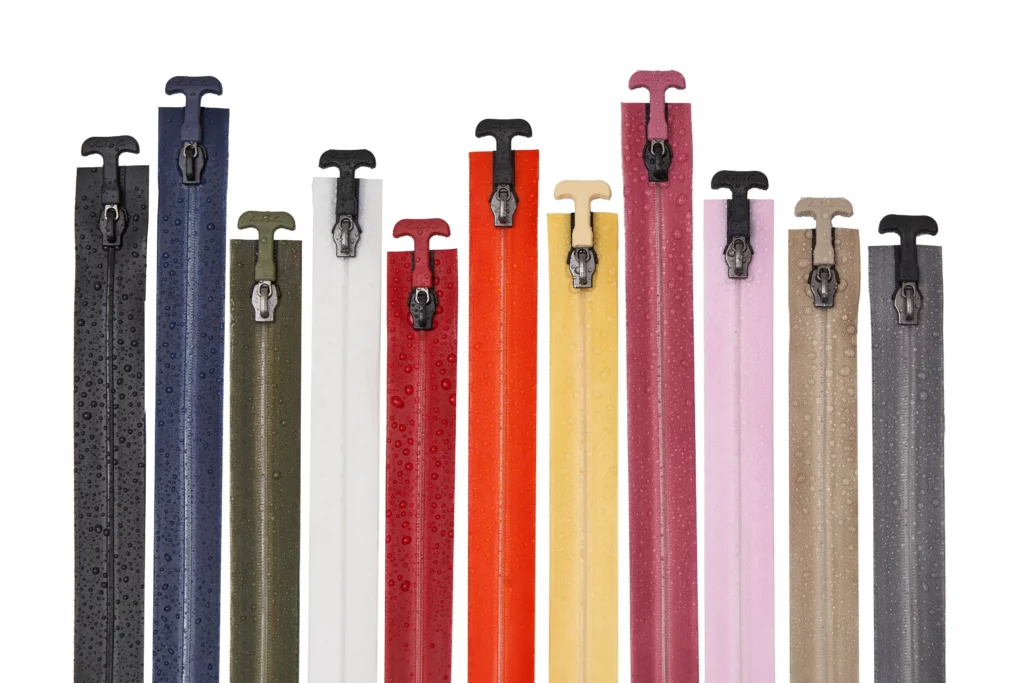
Yes! You can change the length and width of Zizip zippers. You can also pick colors and designs to meet your needs.
What industries use airtight zippers?
Airtight zippers are used in many fields, like marine, military, medical, and outdoor gear. They are important for safety in these areas.
How can I test my zipper for leaks?
You can check for leaks by putting soapy water on the zipper. Look for bubbles, which show where water might get in. This easy test helps find weak spots.