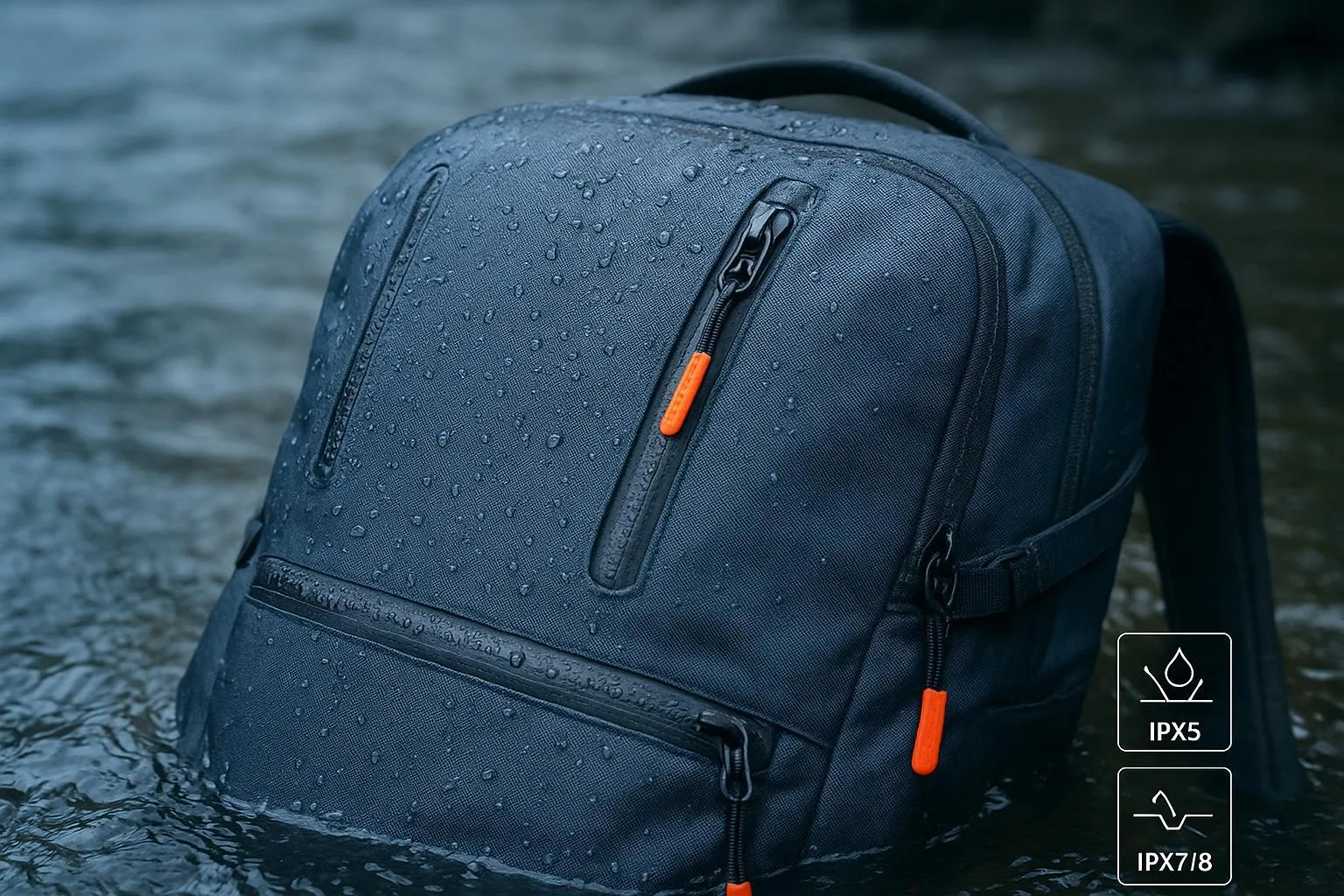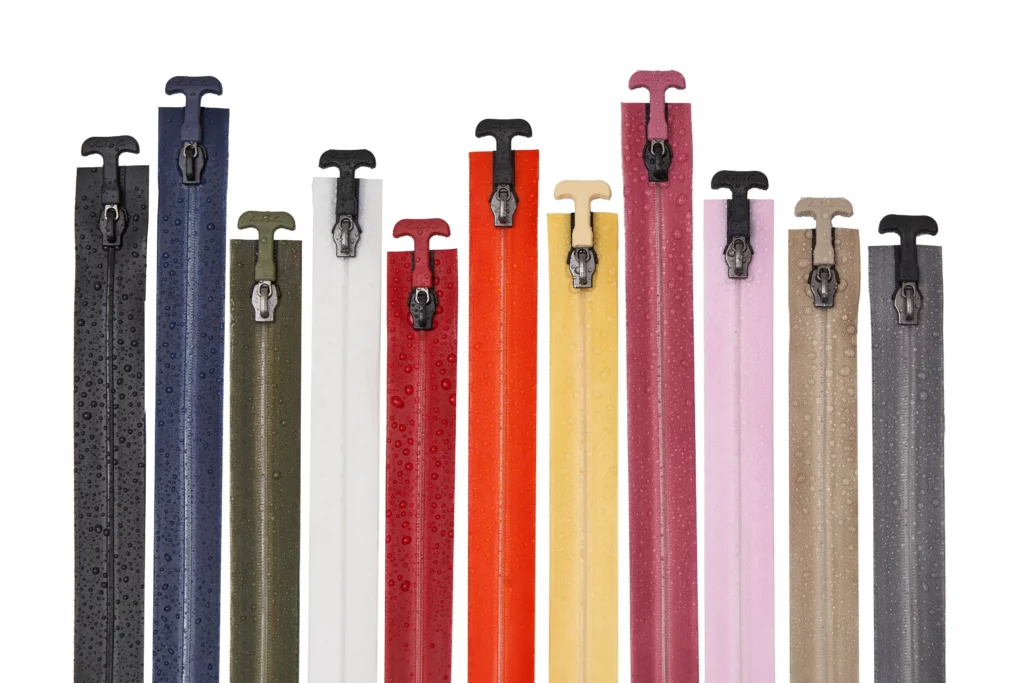

Airtight zippers are very important for keeping your gear safe. They protect it from tough weather. The materials and coatings you pick affect how well they work. Good materials make zippers last longer and work better, especially in hard conditions. For example, TPU-coated zippers keep water out well. Reinforced polyester makes them stronger.
Lately, more people want better materials because they are doing more outdoor activities. Shoppers want zippers that can handle bad weather. This guide will look at the good things about TPU, polyester, and reinforced structures. These help make the best airtight zippers.
Key Takeaways
Airtight zippers are important for keeping gear safe from weather and dirt. Pick zippers based on what you need.
Materials like TPU and polyester make zippers work better. TPU gives flexibility and keeps water out, while polyester makes them stronger.
Coatings help zippers last longer and resist water. Look for zippers with TPU or PU coatings for better protection from the weather.
Reinforced structures make zippers stronger and more reliable. Make sure your zippers meet high performance standards for tough situations.
Think about environmental factors and your needs when choosing zippers. This helps you find the best option for outdoor, medical, or industrial use.
Overview of Airtight Zippers
Definition and Purpose
Airtight zippers are very important in many uses. They make a tight seal that stops gases, liquids, and tiny particles from getting through. Here are some main features of airtight zippers:
AeroSeal zippers are made for special uses that need a strong barrier against gases, liquids, and tiny particles.
They have a strong woven polyester base and a tough TPU coating.
The zippers have a special interlocking sealing design that makes a strong, tight barrier.
The main uses of airtight zippers include:
Application Type | Purpose of Airtight Zippers |
|---|---|
Inflatable Shelters | Keep pressure steady and stop leaks |
Medical Isolation Tents | Stop contamination and keep a controlled space |
Fuel Bladders | Act as barriers to hold pressure and avoid leaks |
Environmental Containment Berms | Ensure trustworthiness in important places |
Chemical-Exposed Applications | Resist solvents, oils, and chlorine for safety |
Cleanroom Panels | Stop viruses or particles from mixing |
Negative-Pressure Tents | Keep airtight conditions to protect from contamination |
Applications in Industries
Airtight zippers are used in many industries. Each field has special needs that these zippers meet. Here are some common industries and what they need:
Industry | Specific Requirements |
|---|---|
Outdoor Activities | Waterproofing for jackets, backpacks, and inflatable tents. |
Military and Industrial | Protection from chemicals, gas-tight suits, and sealed areas for safety. |
Diving and Water Sports | Great sealing to stop water and air from getting in dry suits and wetsuits. |
Medical and Laboratory Use | High-isolation suits and biosecurity gear to stop contamination. |
In outdoor gear, medical, and protective equipment fields, you will often find airtight zippers in:
Hazardous Material Suits: Protects users from harmful chemicals and germs.
Dry Suits for Emergency and Rescue Operations: Keeps rescuers dry and safe.
Protective Gear for Industrial and Chemical Environments: Stops exposure to dangerous materials.
Firefighting Equipment and Gear: Blocks outside dangers while keeping firefighters safe.
Medical and Biosecure Isolation Gear: Important for stopping germs from spreading in healthcare.
These uses show how flexible and important airtight zippers are for safety and reliability in many places.
Materials Overview for Airtight Zippers
Thermoplastic Polyurethane (TPU)
Thermoplastic Polyurethane (TPU) is very important for airtight zippers. This flexible material has many strong features. These features help make good seals. TPU is strong and keeps water out. When you zip up a TPU-coated zipper, it creates a tight seal. This keeps your gear safe from water and air.
Here are some key features of TPU that make it great for airtight zippers:
Property | Description |
|---|---|
Wear Resistance | TPU is very durable, so it lasts a long time in zippers. |
High Elasticity | It can stretch like rubber and go back to its shape. |
Flexibility at Low Temp | TPU stays soft and bendable in cold weather, so it won’t break easily. |
Fatigue Resistance | It can bend and stretch many times without breaking, which is great for zippers under pressure. |
Chemical Resistance | TPU can handle different chemicals, making it last longer in tough places. |
TPU is better than other materials like PVC. It is more flexible and resists wear better. This makes it a top choice for waterproof gear. Also, TPU can be shaped without seams, which helps it seal better. Some types of TPU are made from renewable materials, making them eco-friendly.
Polyester
Polyester is another key material for airtight zippers. It helps make these zippers strong and long-lasting. The high-density polyester tape used in Zizip‘s zippers gives them a solid base. This helps them stand up to tough conditions.
Here are some benefits of using polyester in airtight zippers:
UV and Heat Resistance: Polyester zipper tape resists UV rays and heat well, making it great for outdoor use.
Moisture Resistance: It keeps its shape and color even when wet, so it lasts longer.
High-Denier Fibers: Using strong fibers helps resist stretching and bending, which makes zippers last.
Zizip uses both TPU and polyester in its zippers, like AquaSeal™ and AeroSeal™. These zippers mix high-density polyester with TPU coatings for better performance. AquaSeal™ zippers are IPX5-rated waterproof, perfect for outdoor gear. AeroSeal™ zippers are certified for IPX7 and IPX8, ensuring they are airtight and waterproof for important uses.
Product | Material Used | Performance Features |
|---|---|---|
AquaSeal™ | High-density polyester + TPU coating | IPX5-rated waterproofing, ideal for outdoor gear |
AeroSeal™ | TPU-coated zippers | IPX7 and IPX8 certified for airtight and waterproof use |
By choosing zippers made from these advanced materials, you keep your gear safe in tough conditions. Zizip’s focus on quality and smart material choices makes its products stand out.
Coatings and Benefits of Airtight Zippers
Types of Coatings
Coatings are very important for making airtight zippers work better. They help protect against weather and make the zippers last longer. Here are some common coatings used in airtight zippers:
Coating Type | Chemical Composition | Properties |
|---|---|---|
TPU | Polyether & Polyester grades | Resists oils, gasoline, and biodiesel; flexible in cold; good UV stability. |
PU | Not specified | Affordable protection for some acids and solvents in safe areas. |
These coatings help the zippers resist water and air. They also help the zippers handle tough conditions.
Performance Enhancements
The right coatings can really improve how airtight zippers work. Here are some key benefits you can expect:
Water Resistance: Coatings like TPU and PU make a surface that keeps water away. This is important for keeping your gear dry when it’s wet.
Sealed Construction: Airtight zippers often have covered teeth and welded seams. These designs stop gaps, keeping water out and making a complete seal.
Durability Against Environmental Factors: Coatings help resist UV rays, chemicals, and extreme temperatures. For example, nickel or chrome plating stops rust, while PTFE coatings repel water and solvents well.
Coating Type | Benefits |
|---|---|
Nickel/Chrome Plating | Stops metal from rusting with strong barriers. |
PTFE Coating | Keeps water and solvents away while reducing friction. |
Polyurethane Laminates | Provide waterproofing and protection from wear. |
Fluoropolymer Treatments | Offer anti-stick properties, solvent resistance, and UV protection. |
Epoxy-Based Finishes | Keep chemical strength and work well in high heat. |
By choosing zippers with these advanced coatings, you keep your gear safe in tough environments. The mix of strong materials and effective coatings makes airtight zippers a smart choice for many uses.
Reinforced Structures for Extreme Performance
Importance of Reinforcement
Reinforcement is very important for airtight zippers. It helps these zippers keep their seals and strength when under pressure. For example, IPX8 certified testing shows how strong resin airtight zippers are against water pressure over 1 meter. This certification gives clear proof of how well the zippers seal.
In tough situations, strict quality checks find seal problems during making. This process makes airtight zippers more reliable, so they work well in hard conditions. Reinforced structures not only make zippers last longer but also improve their strength. This is key for outdoor gear, medical tools, and military uses.
Zizip’s Patented Technologies
Zizip has created many patented technologies that boost the performance of its airtight zippers. These new ideas focus on making strong, dependable, and customizable options. The table below shows some special features of Zizip’s reinforced airtight zippers:
Feature | Description |
|---|---|
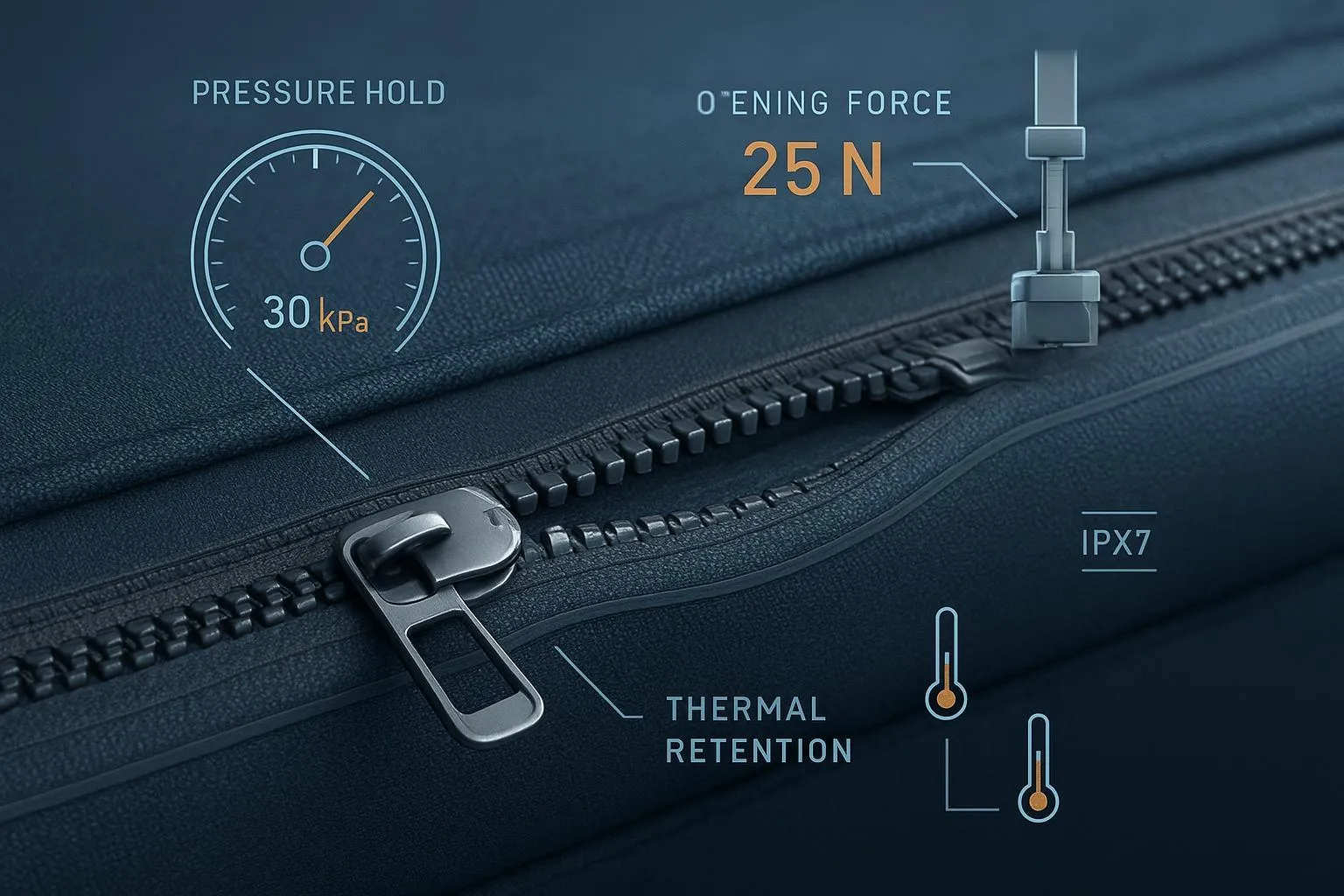
Sealing Capability | Creates a tight seal, staying leak-free at 40kPa for at least 15 seconds. |
Waterproof Rating | IPX7 (SGS certified), with IPX8 available for Dual-Track models. |
Tensile Strength | Has a transverse tensile strength of 1205N, which is more than the 900N requirement. |
Durability | Can handle 2000 cycles under load, which is double the standard test requirement. |
Temperature Resistance | Works well after 24 hours at -30°C and after being in 100°C boiling water. |
Corrosion Resistance | Passes a 48-hour salt spray corrosion test successfully. |
Customization Options | Provides great customization options through a fully integrated manufacturing process. |
Material Construction | Made with layered materials for flexibility and tight sealing against liquids, gases, and particles. |
These features show Zizip’s focus on new ideas and quality. By emphasizing reinforced structures, Zizip makes sure its airtight zippers meet high standards for performance and reliability.
In conclusion, picking the right materials and coatings for airtight zippers is very important for their best performance. Keep these main points in mind:
Check how much airtightness you need for your use.
Think about environmental factors like extreme temperatures and chemicals.
Pick the right size and length to keep a good seal.
Find a balance between flexibility and stiffness based on your needs.
Make sure you have support and proof from a trusted manufacturer.
By knowing these things, you can choose the best airtight zippers for uses like outdoor gear, medical safety, and industrial tools. Look into Zizip’s new products to improve your performance in tough conditions.
FAQ
What is the waterproof rating of Zizip’s AeroSeal zippers?
Zizip’s AeroSeal zippers have an IPX7 waterproof rating. This means they can be submerged in water for a certain time. Dual-Track models have an even better IPX8 rating for tough conditions.
Can I customize the size of Zizip zippers?
Yes, you can change the length and width of Zizip zippers. This lets you meet specific needs and design choices.
How do TPU and polyester enhance zipper performance?
TPU gives great flexibility and keeps water out. Polyester adds strength and makes zippers last longer. Together, they make zippers that work well in tough places.
Are Zizip zippers suitable for extreme temperatures?
Yes! Zizip zippers still work well after being in extreme temperatures from -30°C to 100°C. This makes them perfect for many uses.
How can I ensure the best seal with my zipper?
To get the best seal, pick the right size and length for your needs. Make sure to install and maintain the zipper properly to keep it working well.