Only looking at the price of waterproof/airtight zippers is a common mistake. The real cost is more than just buying them. This is true for special parts. Total Cost of Ownership (TCO) helps you make smart choices. These choices are for the long run. This blog will show you how to figure out TCO. It is for waterproof/airtight zippers. This helps products work better. It also saves money. ZIZIP is a brand. It has 20 years of experience. They are good at sealing things tightly. Their products are very reliable. They meet IPX5 to IPX8 standards. This makes the TCO better.
Key Takeaways
Total Cost of Ownership (TCO) is the full cost of a zipper. It includes buying, using, and throwing it away, not just the first price.
TCO is important for waterproof zippers. A broken zipper can cause big problems and cost a lot of money.
ZIZIP zippers are high quality. They reduce problems and save money over time, even if they cost more at first.
To calculate TCO, find all costs, give them a money value, decide how long to measure, and then add them up.
Good materials and a helpful supplier like ZIZIP lower TCO. They make products last longer and work better.
Why is the TCO of sealed zippers crucial?
The TCO definition of professional zippers: It is not just the cost you pay for a single zipper, but the total cost from design to disposal.
Total Cost of Ownership (TCO) gives a full money picture. It adds up all costs. These are direct and indirect costs. They are for an item’s whole life. For special parts like zippers, this means looking at costs. These go from the first design to throwing it away. Direct costs are easy to measure. They include the first price. They also include setup fees. Regular upkeep is also a direct cost. Indirect costs are harder to see. They greatly affect money over time. Examples are lost work time. This happens when things break. Missed chances are also indirect costs. Training costs are another example. A full TCO count covers many areas. This includes the buying price. It also includes getting the item. Costs for shipping or customs are included. It also looks at owning costs. Maintenance and usage costs are there too. Bad quality costs are part of TCO. So are disposal costs. Overhead costs are also included.
Why TCO is Critical for Waterproof/Airtight Zippers
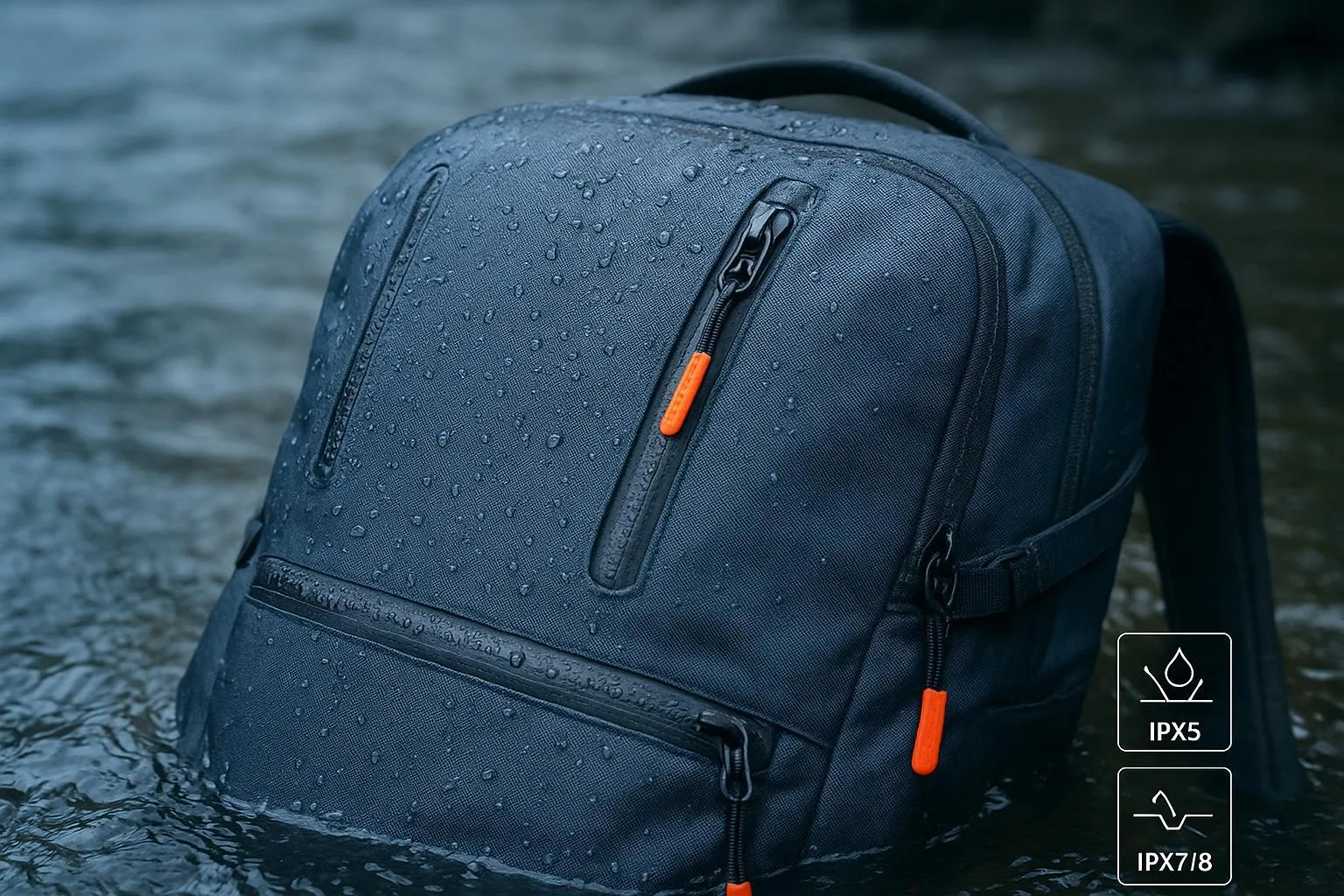
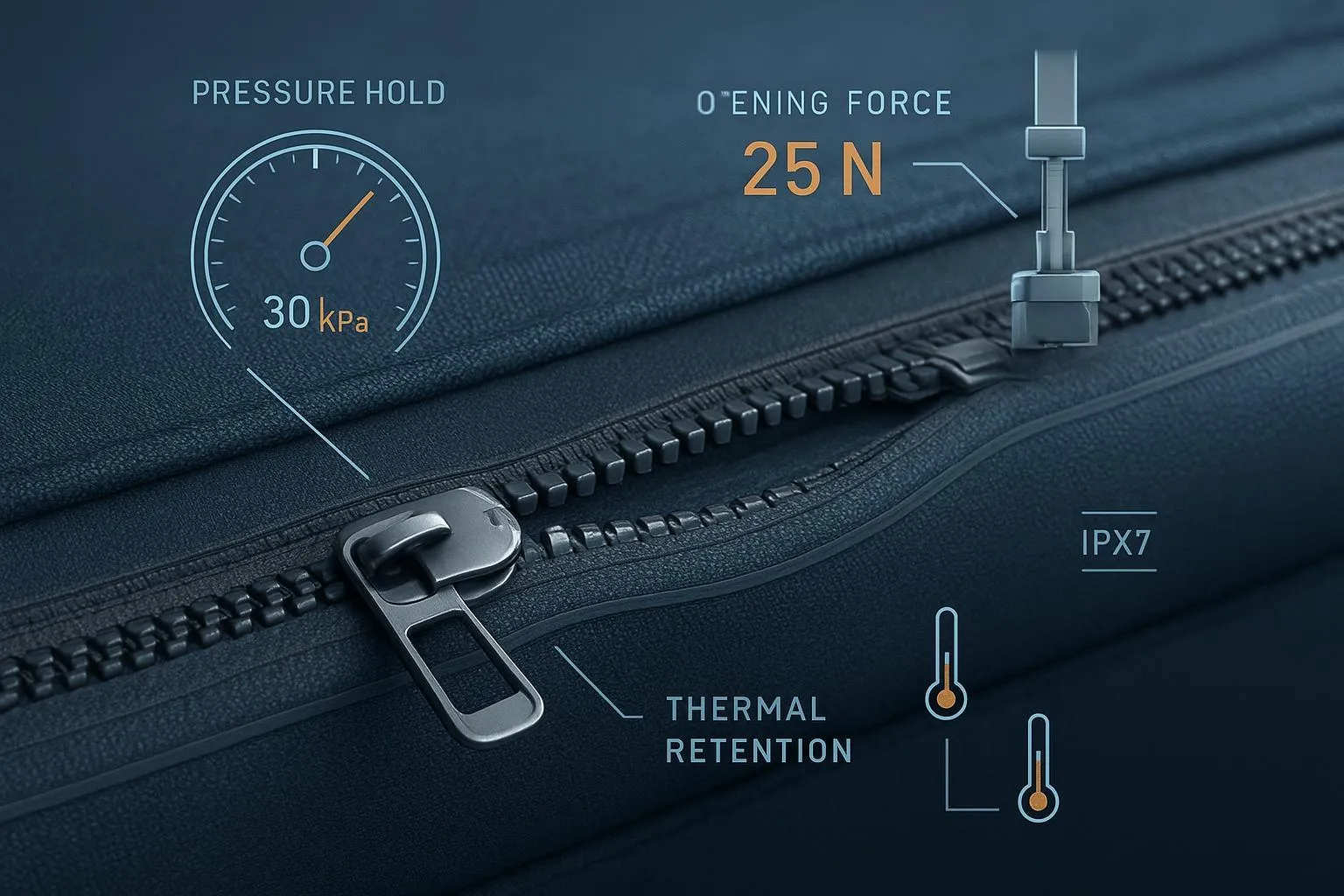
TCO review is key for Waterproof/Airtight zippers. These parts keep things safe. They keep products in good shape. If they fail, costs can be very high. A leak or broken seal can harm expensive gear. It can make things unsafe. It might even cause costly product recalls. How important TCO parts are depends on many things. These include the item’s worth. It also depends on minimum order amounts. The materials used also matter. For products like ZIZIP’s AeroSeal and AquaSeal zippers, TCO is super important. These zippers are made for tough places. They have IPX7/IPX8 ratings. They also use TriSeal technology. This lowers the chance of failure. This careful way of thinking ensures long-term trust. It also saves money.
TCO Components for Waterproof/Airtight Zippers
Understanding Total Cost of Ownership (TCO) means looking at all costs. These costs happen during a product’s life. For special parts like zippers, costs are more than just buying them.
Acquisition Costs: Initial unit price (this is just the tip of the iceberg).
Acquisition costs are the clearest costs. They include the price of each zipper. But other things add to the cost. Shipping fees add to the total. Customs duties and taxes do too. Minimum Order Quantities (MOQs) also affect costs. A supplier might ask for a large MOQ. This could make a company buy too much. This ties up money. ZIZIP knows these problems. They allow a 500 MOQ for special setups. This helps control early inventory costs.
Integration and Manufacturing Costs
Putting zippers into a product costs money. Worker pay for putting them in is a big cost. Special machines might be needed. Training teams to use certain zippers also costs money. Bad zippers or hard installation raise waste. They also increase rework. This wastes materials and time. ZIZIP’s careful making and services cut these costs. They offer expert advice. They also give custom solutions. This makes putting zippers in smoother.
The value of ZIZIP lies in how the design of ZIZIP zippers ensures a perfect fit with your materials, reduces production and debugging time, lowers defect rates, and ultimately saves on overall manufacturing costs.
ZIZIP’s skill in sealing helps making things. Their zippers fit together well. This good fit cuts down production time. It also lowers fixing time. It greatly reduces mistakes during assembly. This saves a lot of money. It lowers overall manufacturing costs.
Performance and Reliability Costs
How well a zipper works affects a product’s trust. Problems like leaks cost a lot. These costs include warranty claims. They also include product recalls. Bad reputation and unhappy customers also come from problems. Fixing things or replacing them costs more. Zippers often cause complaints in special clothes. Strong fabric lasts for years. But one broken zipper makes the product useless. This lack of trust is bad in tough outdoor places. A zipper breaking in freezing rain can be dangerous. Customers remember bad zipper times clearly. A tent zipper sticking in rain can hide good features. Good zippers make users feel sure. This leads to good reviews. It makes a brand look better. One failure can hurt it badly. For a brand, zipper problems mean costly returns. They also mean warranty claims. They also cause big damage to reputation. These problems eat up profits. This happens through shipping and checking. It also happens through replacing things. Good zippers make users happier. They cut down warranty costs. They also help a brand stand out. This makes the brand look better. ZIZIP lowers these risks. Their IPX7/IPX8 ratings and TriSeal technology seal very well. ZIZIP has over 30 patents. These new ideas make them very reliable. Test reports from SGS show their quality.
Maintenance and Operational Costs: Is it necessary to frequently replace or repair zippers during the product’s lifecycle?
Maintenance and operational costs are about keeping zippers up. Some zippers need special cleaning. They might need oil. Users might need special care tips. How long a zipper lasts affects the product’s life. If a zipper needs fixing often, costs go up. Good zippers, like ZIZIP’s, need less care. They help products last longer.
End-of-Life Costs: Does the durability of the product support a longer lifecycle, thereby diluting the initial investment?
End-of-life costs look at throwing away the product. This includes the zipper part. How easy it is to recycle matters for the environment. A very strong zipper makes the product last longer. This longer life spreads out the first cost. It also creates less waste. ZIZIP’s focus on quality means their zippers help products last. This helps with end-of-life costs.
Calculating TCO: A Step-by-Step Guide
Calculating Total Cost of Ownership (TCO) gives a clear money picture. It looks past just the price. This step-by-step way helps make smart choices.
Step 1: Identify All Relevant Costs
First, think of all possible costs. These costs are linked to the zipper. Group these costs by type. Think about buying, putting in, making, and how well it works. Also, think about fixing, using, and throwing away costs. Look at both direct and indirect costs. Direct costs are easy to see. Indirect costs are often hidden. But they are important. For example, a bad zipper can cause product recalls. This costs a lot indirectly. A full list means no hidden costs are missed.
Step 2: Quantify Each Cost
After finding all costs, give each a money value. This needs gathering facts and guessing. Use old information from past jobs. Get prices from sellers for new parts. Look at industry averages for normal costs. Guessing indirect costs can be hard. Guess how much money problems might cost. For example, figure out the cost of a warranty claim. Find the cost of a product recall. ZIZIP gives detailed SGS test reports. These reports show how reliable things are. This helps guess performance and reliability costs better. For example, ZIZIP’s zippers last over 2,000 back-and-forth cycles. This means they are less likely to break early. This directly helps guess future repair costs.
Step 3: Determine the Lifecycle Period
Decide how long the TCO will be figured for. This time should match how long the product should last. Common times are one year, five years, or the product’s whole life. A steady time lets you compare different zippers well. For example, a product meant to last five years. Its zipper TCO should be for five years. ZIZIP’s good materials make products last longer. This allows for a longer TCO time. A longer time often makes the first cost seem less.
Step 4: Sum All Costs
Add up all the costs. Do this over the chosen time. This means adding up all buying, making, and performance costs. Also add maintenance, use, and end-of-life costs. This total is the TCO for that zipper. This one number shows the full money spent. It looks past the first price. This total cost helps understand the real money effect of a zipper choice.
Step 5: Compare Zipper Options
Use the TCO numbers to help decide. Look at different zipper sellers or types. Compare a cheaper zipper’s TCO to a better one. A zipper that costs less at first might have a higher TCO. This happens if it breaks more. Or if it costs more to put in. Or needs more fixing. But a good zipper, like ZIZIP’s, might cost more at first. Yet, it is more reliable. It lasts longer. This often means a lower TCO over time. For example, compare ZIZIP’s AquaSeal for IPX5 use. Compare it to AeroSeal for IPX7/IPX8 needs. This helps find the best value for the long run. This comparison makes sure the chosen zipper gives the best overall value. It balances the first cost with long-term use and savings.
Key Factors Influencing TCO Decisions
Many things change the Total Cost of Ownership for zippers. Companies must think about these things. They are more than just the first price. This makes sure products last. It also keeps them good.
Material Quality and Durability: ZIZIP uses the best materials. These make the zipper last long. They also make it work well.
Good materials make a zipper last longer. They also stop it from breaking. ZIZIP uses strong polyester fabric. It has a TPU coating. This lets it open and close over 2,000 times. It also handles very cold or hot weather. This strength means fewer replacements. It also means lower repair costs. This is true for the product’s whole life.
Supplier Support and Expertise: ZIZIP gives products. They also give sealing help. They offer OEM/ODM support. This comes from 20 years of work. This can help you avoid money problems. These start at the design stage.
A supplier’s help changes TCO. ZIZIP gives technical help. They also offer custom choices. They have 20 years of experience. Their R&D center helps with OEM/ODM services. This includes advice. It also includes custom fixes. Working with a supplier helps from the start. It makes sure things fit. It also keeps colors the same. It keeps textures the same. This lowers supply chain risk. They check certifications. These are like REACH, CPSIA, and ISO. They do this at the source. They also test things with the product. This stops customs problems. It also stops brand recalls. ZIZIP’s knowledge helps avoid costly mistakes. It also stops delays.
Application Requirements: Does your product need to be in tough places? ZIZIP says “great sealing for tough places.” This makes sure products work well. They work even in bad conditions.
What a product is used for changes what a zipper needs. How bad the environment is matters. How important the seal is matters. How often it is used matters. These change the zipper choice. For example, deep-sea gear needs different things. It is not like outdoor clothes.
Feature | Deep-Sea Diving Equipment (AeroSeal) | Outdoor Apparel (AquaSeal) |
|---|---|---|
Primary Function | Stops gases, liquids, and tiny bits. It seals completely. | Stops water from getting in. It protects well from water. |
Key Performance Rating | IPX7/IPX8 (for very tough places like deep-sea diving) | IPX5/IPX6 (for heavy rain, splashes, strong water) |
Structural Integrity | Made to be very strong. It seals under strong pressure. (e.g., 1205 N strength) | It is flexible and comfy for users. |
Sealing Mechanism | Made with great care. It has a sealing structure that locks. It is strong and stops leaks. | It has tape with a strong film. It has a sealing structure made with care. |
ZIZIP’s AquaSeal zippers are good for IPX5 needs. These are for outdoor clothes. AeroSeal zippers meet IPX7/IPX8 standards. These are for tough places. This makes sure they work best. It avoids making them too complex. It also avoids making them too simple.
Brand Reputation and Compliance: Choosing suppliers like ZIZIP is smart. They work with famous brands. This shows good quality. It also shows they follow rules. This can lower supply chain risks a lot.
A supplier’s name matters. Following rules matters. ZIZIP has ISO 9001:2015. Their products meet IPX7 and IPX8. They also pass medical standards for airtightness. ZIZIP has over 30 patents. Their military-grade quality shows high standards. Good patents lower supply chain risks. It shows a company is strong. It lowers risk of failure. This makes suppliers more willing to give credit. Patents show a company can make ideas real. This helps suppliers see their tech strength.
Total Cost of Ownership (TCO) shows the full money story. It is more than just the price. Using TCO for Waterproof/Airtight zippers makes products better. It saves money over time. It also makes customers happier. It builds a stronger brand name. Companies should use TCO. Do this for all important parts. Especially when failure costs a lot. Think about long-term value. Think about how reliable it is. Think about good engineering. Get these from top suppliers like ZIZIP. Do this for your next zipper choice. ZIZIP promises “Sealing Excellence Engineered for Extremes.
FAQ
What is Total Cost of Ownership (TCO) for zippers?
TCO looks at all zipper costs. This includes buying it. It includes putting it in. It includes fixing it. It includes throwing it away. It shows the full money story. This is for the product’s whole life. Companies use TCO. They make smart buying choices.
Why is TCO more important than unit price for waterproof/airtight zippers?
These zippers keep things safe. If they break, costs are high. Products can get hurt. People ask for money back. The brand can look bad. TCO stops these problems. It keeps products good for a long time. It saves money too.
How does ZIZIP’s quality impact a product’s TCO?
ZIZIP makes good, strong zippers. They break less often. This means fewer money-back claims. It means fewer fixes. It means fewer replacements. Their zippers last longer. This saves money over time. ZIZIP’s design stops costly problems.
What are the main components of TCO for waterproof/airtight zippers?
TCO parts include buying costs. This is the price and shipping. It also covers putting them in. It covers making things. It covers how well they work. It covers how reliable they are. Fixing, using, and throwing away costs are also part of TCO. Companies think about all these.