When making outdoor jackets, you need to think about waterproof zipper paths. These paths are very important for keeping water out. A good zipper path helps your jacket work well in wet weather. You want to keep users comfortable and safe. This way, they can enjoy their outdoor fun without being scared of getting wet. A good design uses strong materials and smart placement. This creates a strong barrier against rain and other weather.
Key Takeaways
Waterproof zipper paths are important for making outdoor jackets work well in the rain.
Picking the right materials, like ePTFE and TPU, makes zippers last longer and resist water better.
Good zipper placement and design, with flaps and sealed seams, greatly help with waterproofing.
Taking care of zippers can make them last longer and keep them water-resistant.
New technologies, like AquaSeal, offer better waterproofing options for outdoor gear.
Why Waterproof Zipper Paths Matter
Waterproof zipper paths are very important for outdoor gear. They help your jacket stay useful and comfy when it’s wet. Here are some main jobs of waterproof zippers:
Design & Material Selection: Engineers pick materials that resist rust and add water-repellent coatings. This makes them last longer and keeps water out.
Manufacturing & Coating: Zipper parts get put together and receive even coatings. Then, they go through quality checks to ensure they work well.
Installation & Integration: Zippers are sewn into clothes with waterproof membranes. This gives better protection against water getting in.
Exposure & Testing: Products are tested in wet conditions. This checks their water resistance before they reach you.
End-Use & Maintenance: Users want zippers to stay water-tight over time. Taking care of them can make them last longer.
Waterproof zippers greatly improve your comfort in wet weather. A recent survey found that hiking jackets with waterproof zippers made users 30% happier in wet conditions. Outdoor clothes also got better ratings during rain and snow.
Product Type | Satisfaction Increase | Weather Condition |
|---|---|---|
Hiking Jackets | 30% | Wet Conditions |
Outdoor Apparel | Higher Satisfaction | Rain/Snow |
When you buy waterproof gear, you make your outdoor fun better. Waterproof zipper paths keep your things dry and safe, especially in rain gear storage. You can enjoy your adventures without worrying about water damage.
Key Design Principles for Waterproof Zips
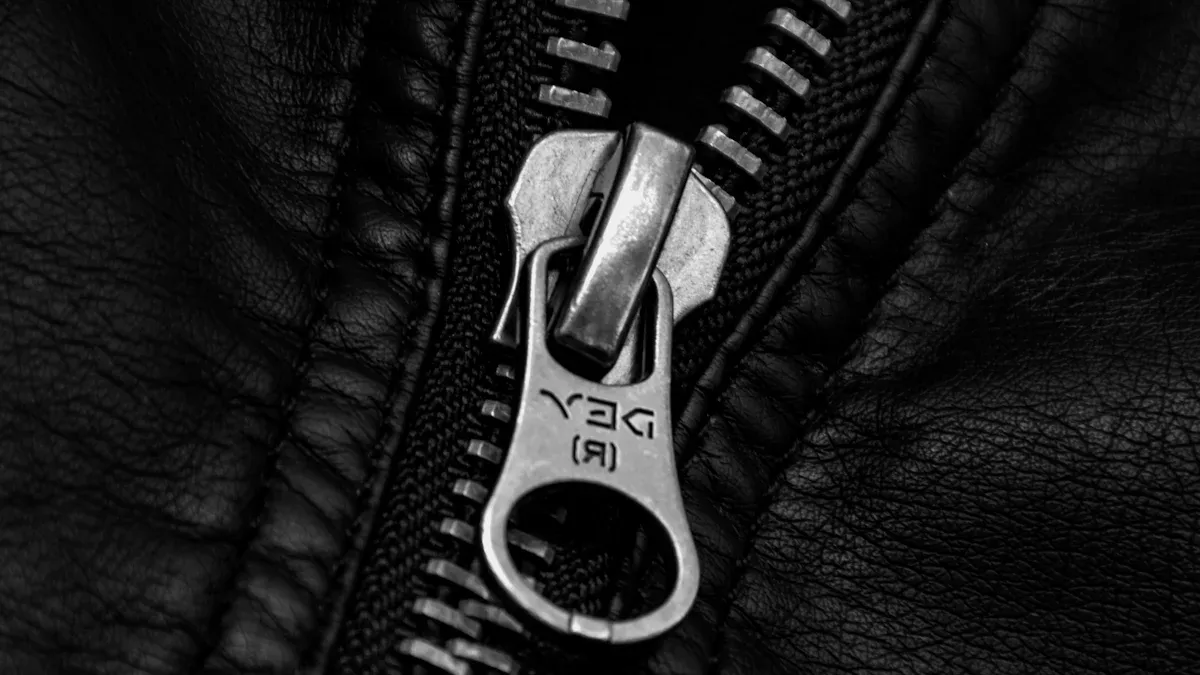
When you design waterproof zipper paths, you need to think about some important rules. You should pay attention to the materials, types of zippers, and where to place them. This helps make sure they work well and last a long time.
Material Selection for Durability
Picking the right materials is very important for strong waterproof zippers. Here are some good materials used in outdoor jackets:
Material Type | Properties |
|---|---|
ePTFE Fabrics | These are stretchy membranes. They let water vapor escape but keep liquid out. |
Polyester/PU Films | This is a lightweight and stretchy waterproof layer. It often works with ePTFE. |
Coated Fabrics | This is a cheaper option. It is less breathable and durable but allows good movement. |
These materials help zippers last longer and stay waterproof. For example, TPU zippers are very strong and flexible. They are great for outdoor gear. On the other hand, PVC zippers are cheaper but not as flexible. Choosing the right material affects how well the zipper works and its cost.
Zipper Types and Their Applications
There are different types of zippers for outdoor jackets. Here are some common ones and their benefits:
AquaGuard® Water-Resistant Zippers: These zippers look good on jackets and cut down the need for extra flaps. They can be RF welded or ultrasonically bonded to jackets, making them easier to build.
AQUASEAL® Waterproof Zippers: These zippers have molded plastic teeth. They are light and work well in both fresh and saltwater. They are great for dry suits and waders, giving the best protection against water.
Knowing the differences between zipper types helps you pick the best one for your needs. For example, molded zippers create a better seal against water than coil zippers, which might let some water in under pressure.
Optimal Zipper Placement
Where you put zippers is very important for how easy they are to use in outdoor jackets. Here are some tips for the best zipper placement:
Special zippers, like waterproof and rust-resistant ones, keep you safe and working well in tough conditions.
Mountaineering jackets with sealed zippers stop water from getting in, making them last longer.
Non-locking sliders let the zipper move easily, making it simple to access. These sliders are great for quick access, perfect for outdoor jackets.
Coil zippers are often used for pockets and vents. They allow movement where it is needed. Toothed zippers are less flexible and can affect how users feel in outdoor situations.
By thinking carefully about these design rules, you can make waterproof zipper paths that improve how outdoor jackets work and last. This focus on detail makes sure your waterproof gear keeps outdoor lovers dry and comfortable during their adventures.
Techniques for Waterproofing Zipper Paths
To make good waterproof zipper paths, you need to use different techniques. These methods help zippers keep water out and make your outdoor jackets work better. Here are some important techniques to think about:
Seam Sealing and Flap Designs
Seam sealing is very important. It stops water from getting in through the stitching holes. You can use different ways to do seam sealing:
Technique | Description | Best Use Case |
|---|---|---|
Seam Tapes | Sticky strips put on seams for quick sealing. | Works well for flat seams with little movement, but hard in tricky spots. |
Liquid Sealants | Flexible sealants put on with a brush or roller for strong sealing. | Great for high-stress areas and hard-to-reach seams, but takes more time. |
Besides seam sealing, flap designs can help waterproofing too. Flaps cover the zipper and add another layer against water. This design is great for jackets in heavy rain or snow. By using these techniques together, you can make your zippers much better at keeping water out.
Waterproof Coatings and Treatments
Putting waterproof coatings on zippers is another good way to make them resist water. Different coatings offer different levels of protection. Here’s a look at some common waterproofing methods:
Waterproofing Method | Performance Level |
|---|---|
PU-coated zippers | Medium–High |
Reverse-coil waterproof zippers | Medium–High |
Storm flaps covering zipper tracks | Medium–High |
Roll-top closures | High–Very High |
These coatings create a barrier that stops water from getting through the zipper. For example, PU-coated zippers are flexible and waterproof, making them good for many outdoor uses. Roll-top closures give the best protection, perfect for tough conditions.
Zizip’s AquaSeal Technology
Zizip‘s AquaSeal technology is a big step forward in waterproof zipper design. This technology makes sure your zippers work really well in tough places. Here are some key details about AquaSeal technology:
Specification | Details |
|---|---|
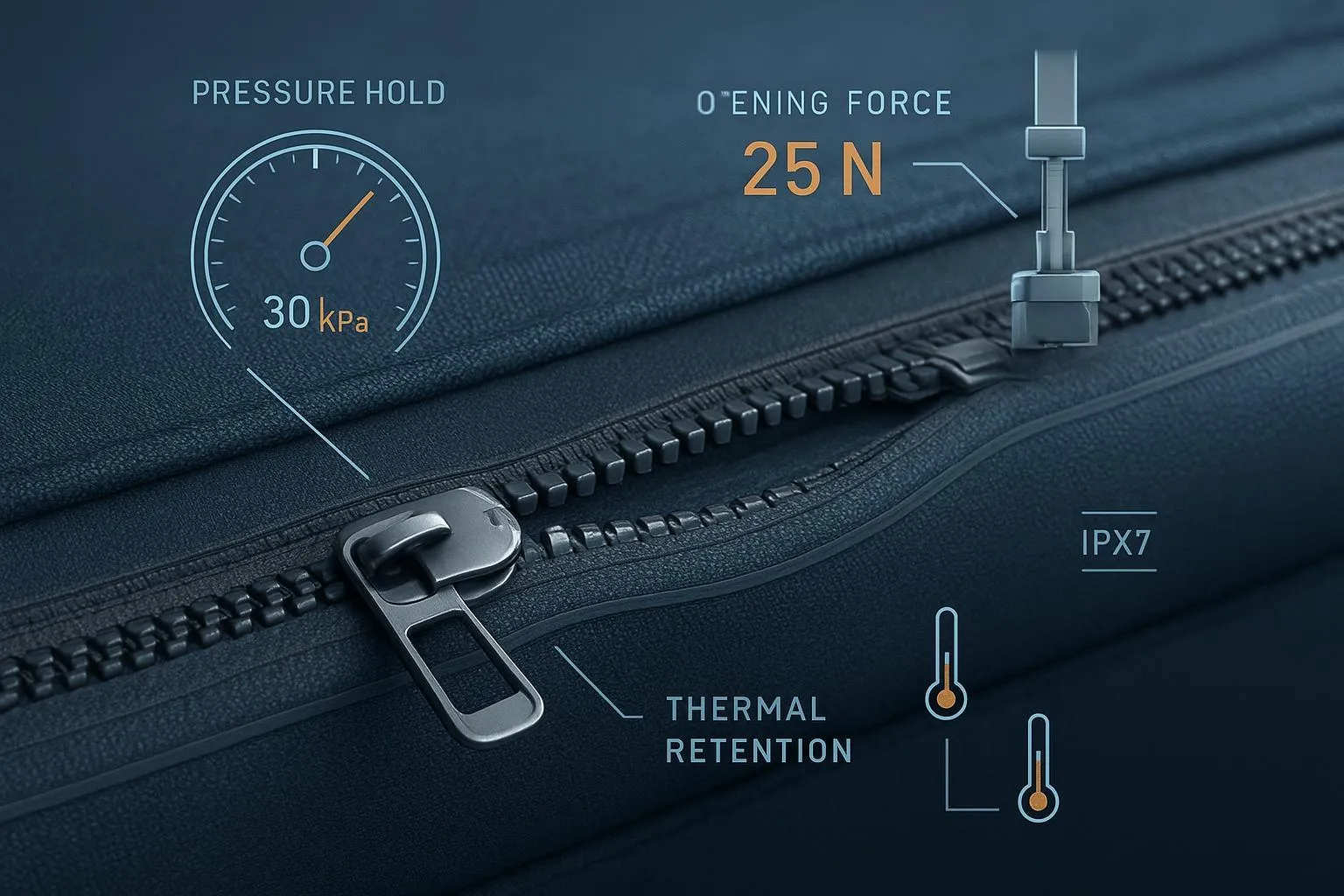
Extreme Temperature Resistance | Works at -30°C for 24 hours and can handle 100°C boiling water for 5 minutes. |
Corrosion Resistance | Passes a 48-hour salt spray test, good for marine areas. |
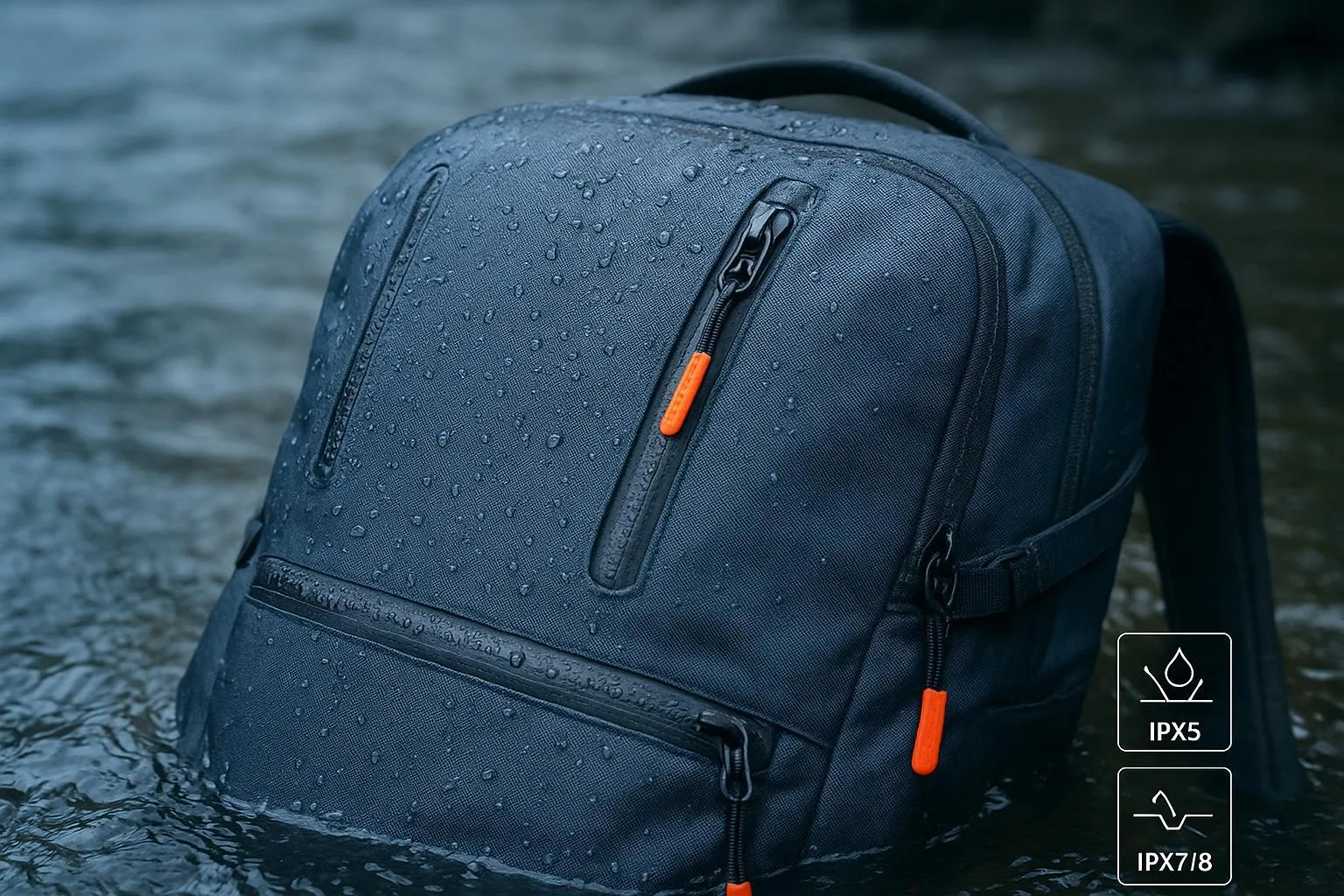
Waterproof Rating | Gets an IPX5 rating, resists heavy rain and pressurized water. |
Durability | Lasts through 1200 cycles under load, great for frequent use. |
Initial Pull Force | Needs 30N for the first pull, slides smoothly at 25N. |
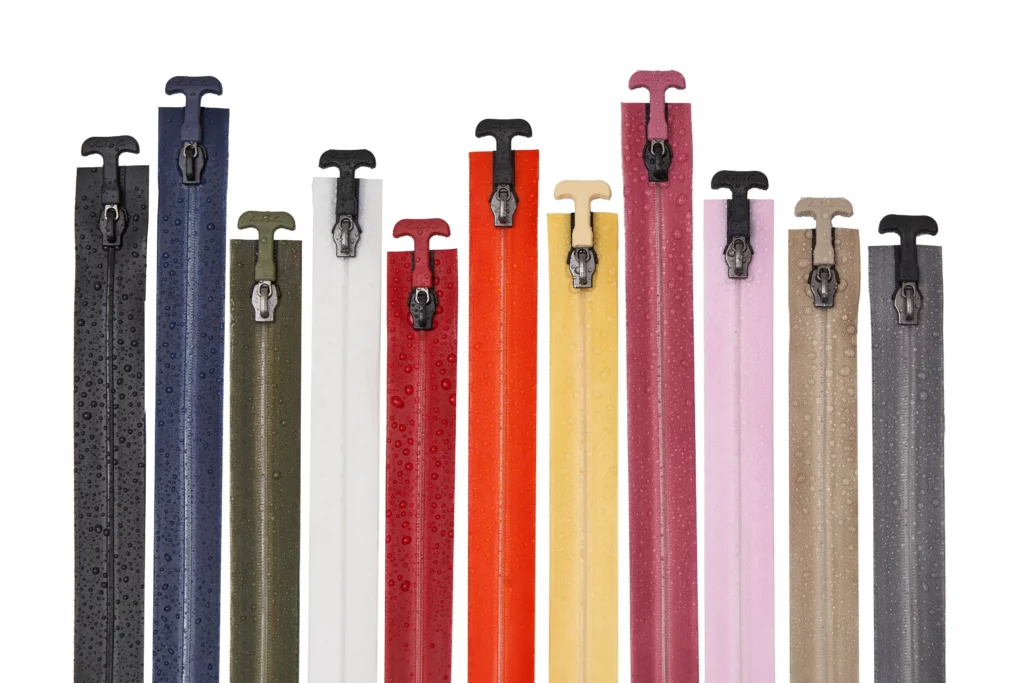
Customization Options | Comes in different sizes, colors, materials, and puller designs for brands. |
Zizip’s AquaSeal technology is known for its reliability and performance. It offers great waterproofing, making it good for many outdoor items, like jackets and rain gear storage. By choosing zippers with AquaSeal technology, you make sure your outdoor clothes stay useful and comfy, even in tough conditions.
Examples from Shell Jackets
Successful Designs in Leading Brands
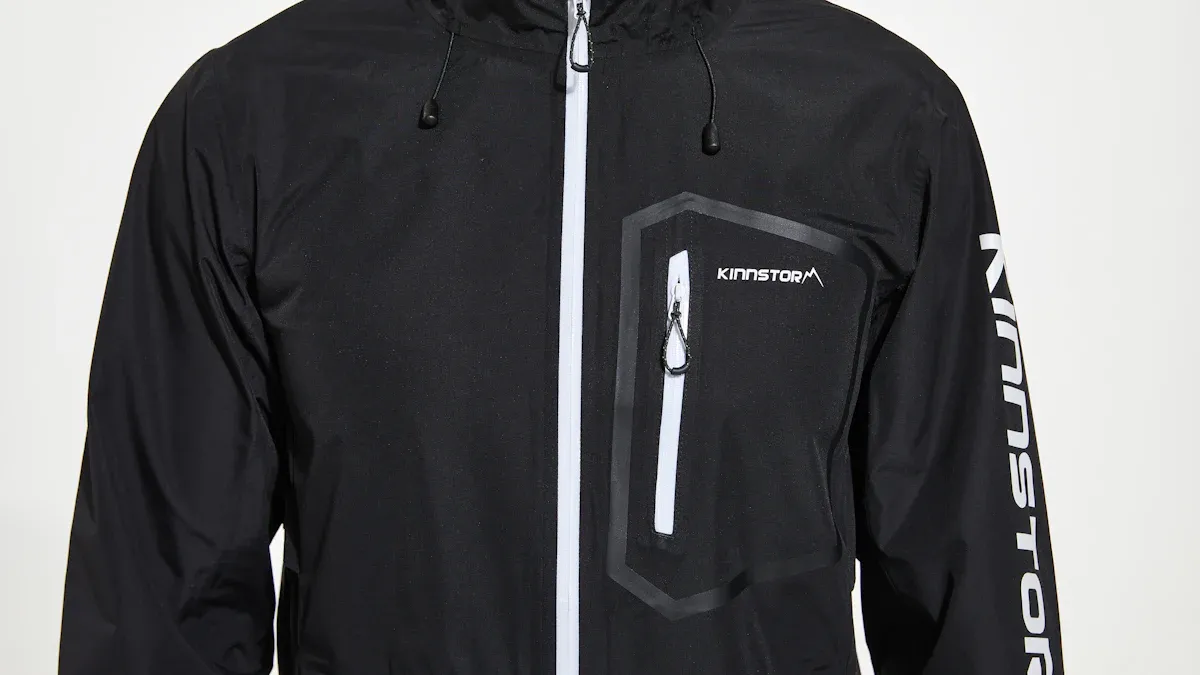
Many top outdoor jacket brands use smart waterproof zipper paths. For example, Descente ALLTERRAIN has a special zipper system. It connects two layers of the Transform jacket. This design lets you wear it in different weather. Such new ideas make waterproof gear work better. They help you stay dry and comfy during your adventures.
Performance Analysis in Real-World Conditions
When looking at how well waterproof zippers work in shell jackets, some key features are important. The table below shows these features and their benefits:
Feature | Description |
|---|---|
Water Resistance | DWR coating works well in light rain, keeping you dry during showers. |
Breathability | Underarm holes let air flow, stopping heat and sweat from building up. |
Stretchability | Made with Toray Primeflex™ fabric, it stretches for comfort. |
Thoughtful Design Elements | Has underarm vents and lots of pockets for convenience. |
These features help shell jackets perform well in real-life situations. For instance, jackets with good waterproof zippers and DWR coatings work great in light rain, keeping you dry. The breathability helps stop overheating, so you can enjoy outdoor fun without feeling uncomfortable.
Also, the smart design features, like underarm vents and plenty of storage, make them easy to use. You can reach your essentials while staying safe from the weather. By picking jackets with these smart designs, you can have a better outdoor experience.
Examples from Softshells
Key Differences in Zipper Design
Softshell jackets are different from shell jackets in many ways, especially in zipper design. Softshells usually have zippers that focus on being flexible and comfortable. These zippers often have a water-repellent treatment. This makes them good against light rain. On the other hand, shell jackets use waterproof membranes. These membranes give better protection against heavy rain and snow. Because of this, shell jackets usually have better water resistance at the zipper path.
When designing zippers for softshells, think about these points:
Flexibility: Softshell zippers should allow movement without changing the jacket’s fit.
Water-Repellent Treatments: These treatments help the zipper resist moisture better.
Durability: Zippers need to handle regular use without breaking or getting stuck.
Effective Waterproofing Techniques
To keep softshell jackets working well in wet weather, you can use several good waterproofing techniques. Here are some methods to think about:
Seam Sealing: Like in shell jackets, seam sealing is very important. It stops water from getting in through the stitching holes. You can use seam tapes or liquid sealants for this.
Water-Repellent Coatings: Adding a durable water-repellent (DWR) coating to the zippers makes them more water-resistant. This coating helps water bead up and roll off.
Flap Designs: Adding flaps over the zippers gives extra protection against water. This design works well in heavy rain or snow.
Zipper Placement: Placing zippers in smart spots can reduce water exposure. For example, putting zippers higher on the jacket can help keep them drier.
By using these techniques, you can make softshell jackets that resist water while staying comfortable and flexible. This balance is important for outdoor lovers who deal with different weather conditions.
Common Mistakes in Zipper Design
Making waterproof zippers for outdoor jackets can be hard. You need to avoid mistakes that can hurt how they work. Here are some design problems to look out for:
Design Flaws to Avoid
Ignoring Breathability: A jacket that holds in moisture can be uncomfortable. If your design doesn’t let moisture out, it can be just as bad as one that doesn’t keep rain out.
Skipping the Hood Test: A badly designed hood can block your view or fall down. This makes the jacket not work well in wet weather.
Neglecting Proper Construction: High-quality jackets need careful design. Make sure you seal seams and place zippers right to keep them waterproof.
Overlooking Quality Design: Quality is key for good performance. Be sure to seal all seams and zippers correctly.
These mistakes can cause complaints about leaks and water getting in. They can also lead to condensation inside the jacket, making it uncomfortable for wearers.
Best Practices for Effective Waterproofing
To make good waterproof zipper paths, follow these best practices:
Best Practice | Description |
|---|---|
Material Selection | Pick rubber waterproof zippers for outdoor, marine, or cold-weather use. Don’t use rubber in hot places. |
Maintenance | Set up a regular maintenance plan to keep zippers working well and last longer. |
Prototype Testing | Always test zipper integration on prototypes to ensure smooth use and no fabric strain. |
Aesthetic Integration | Match zipper color and style to the product design for better looks. |
Usability Features | Use big pull tabs or glove-friendly sliders for easy use in bad weather. |
Reinforcement | Use bartacking or seam sealing at stress points to stop tearing and water leaks. |
Compliance | Make sure zippers meet industry rules for water resistance and protective clothing. |
Temperature Considerations | Choose low-temperature options for winter to avoid stiffness. |
Chemical Resistance | Keep zippers away from solvents and oils that can harm rubber seals. |
Sustainability | Look for zippers that can be recycled and eco-friendly coatings. |
Manufacturers follow these best practices by sticking to high environmental standards. They use air pollution control devices and recycle waste. This commitment helps ensure that your outdoor gear stays reliable and keeps you dry.
Making waterproof zipper paths is very important for good outdoor jackets. You should think about key ideas like choosing materials, where to place zippers, and new methods. Using advanced options like TPU-coated zippers and RF welding can help keep water out better.
Here are some new ideas to remember:
Innovation Type | Description | Applications |
|---|---|---|
Waterproof Membrane | Uses polyurethane tape for flexibility and keeping water out. | Outdoor jackets, bags, accessories |
RF Welding | Joins fabric pieces without seams for a strong water seal. | Waterproof zippers in different outdoor gear |
TRU Waterproof Membrane | Provides a fully waterproof and dustproof barrier with extruded TPU. | Great for jackets, bags, and outdoor accessories |
TPU-coated Zippers | Offers great water resistance and flexibility for light gear. | Tents, rain jackets |
PU-coated Zippers | Has a double-layer for better performance in tough conditions. | Heavy-duty outdoor equipment |
Nylon and Plastic Zippers | Light and flexible choices for mobile gear; strong options for durability. | Various outdoor uses |
By using these ideas, you can make your outdoor gear work better and last longer. Zizip’s new solutions, like AquaSeal technology, help ensure your designs are top-notch for waterproofing and function.
FAQ
What is the IPX rating for waterproof zippers?
The IPX rating shows how well a zipper resists water. An IPX5 rating means it can handle water spray from all sides. This keeps your gear dry in light rain.
How do I maintain waterproof zippers?
To take care of waterproof zippers, clean them often with mild soap and water. Stay away from strong chemicals. Use silicone spray to keep the zipper working smoothly.
Can I customize Zizip waterproof zippers?
Yes, you can change Zizip waterproof zippers in different sizes, colors, and puller designs. This lets you match your brand’s look and needs.
Are AquaSeal zippers suitable for marine use?
Yes! AquaSeal zippers pass a 48-hour salt spray test. This makes them great for marine settings. They offer reliable waterproof protection for boating and water sports gear.
What materials are used in Zizip waterproof zippers?
Zizip waterproof zippers are made with high-density polyester fabric coated with thermoplastic polyurethane (TPU). This mix gives them strength, flexibility, and great water resistance.