When you pick the right gear, it is important to know the difference between waterproof zippers and airtight zippers. These zippers help protect your stuff in tough conditions. For example, waterproof zippers keep moisture out, ensuring your gear stays dry and functions well. However, many people wrongly believe that waterproof bags are also airtight. In fact, an airtight zipper stops both air and water from getting in, while waterproof zippers only stop water. Knowing these differences can help you choose gear that fits your needs.
Key Takeaways
Waterproof zippers stop water from getting in. This makes them great for outdoor gear in wet weather.
Airtight zippers make a complete seal against air and gases. This is important for medical and military uses.
Use waterproof zippers for things like hiking in the rain. Use airtight zippers for diving or dangerous materials.
Look for IP ratings to see how well zippers work against water and air. Higher ratings mean better protection.
Check the quality of the zipper and how to take care of it. This helps it last longer in tough places.
Waterproof Zippers Defined
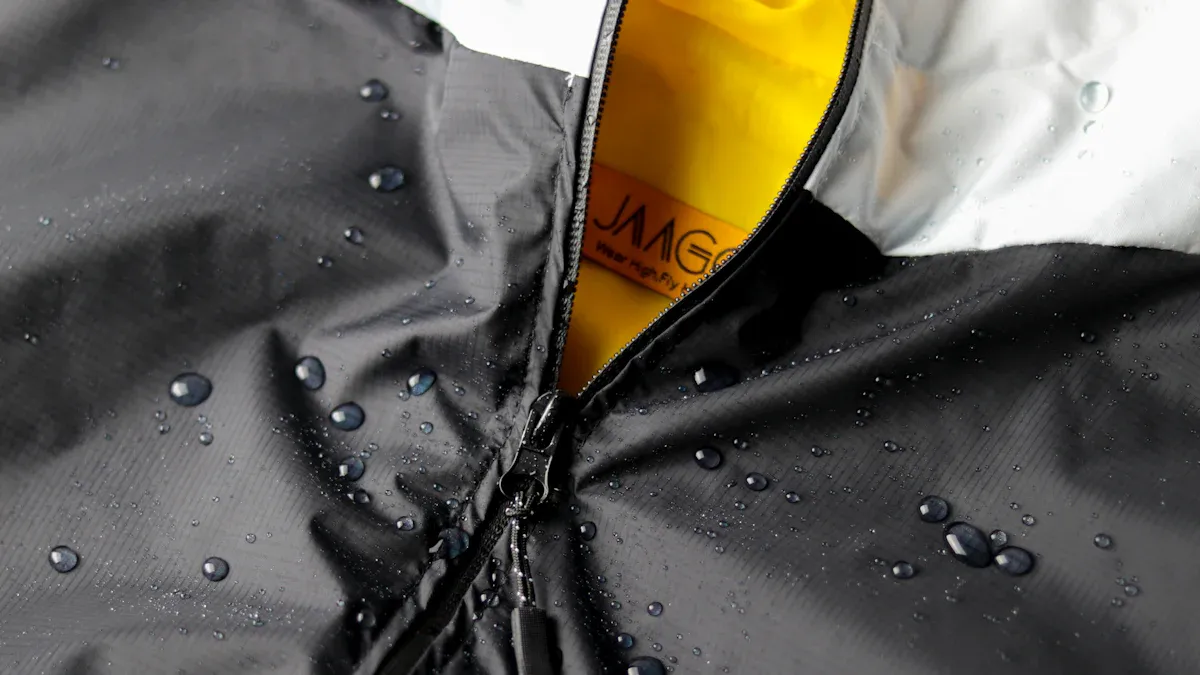
Waterproof zippers are made to keep water out. They help your gear stay dry in wet weather. These zippers have a special design that helps them resist water better.
Construction of Waterproof Zippers
Waterproof zippers have important parts made from materials that help keep water away. Here’s a look at the main parts:
Component | Material Used | Function |
|---|---|---|
Zipper teeth | Rubber or PVC coating | Seals the zipper to stop water from coming in |
Zipper fabric | High-quality nylon | Makes it strong and water-resistant |
Slider | Special material | Completes the waterproof seal when closed |
These parts work together to make a strong waterproof zipper. The rubber seal along the teeth and tracks stops water from getting in. This makes waterproof zippers much better than regular zippers. You may also see extra features, like storm flaps or roll-top layers, that make them even more waterproof.
Typical Uses of Waterproof Zippers
Waterproof zippers are used in many industries because they work well in wet conditions. Here are some common uses:
Industry | Primary Reason for Selection |
|---|---|
Firefighting and Rescue | Protects against water and liquids |
Industrial and Construction Workwear | Keeps safety and quality in dangerous places |
Healthcare and Medical Gear | Shields against liquids in hospitals |
Chemical Protection Suits | Protects from chemical spills |
Marine and Diving Gear | Important for staying dry in water |
Military and Defense | Offers protection in different weather |
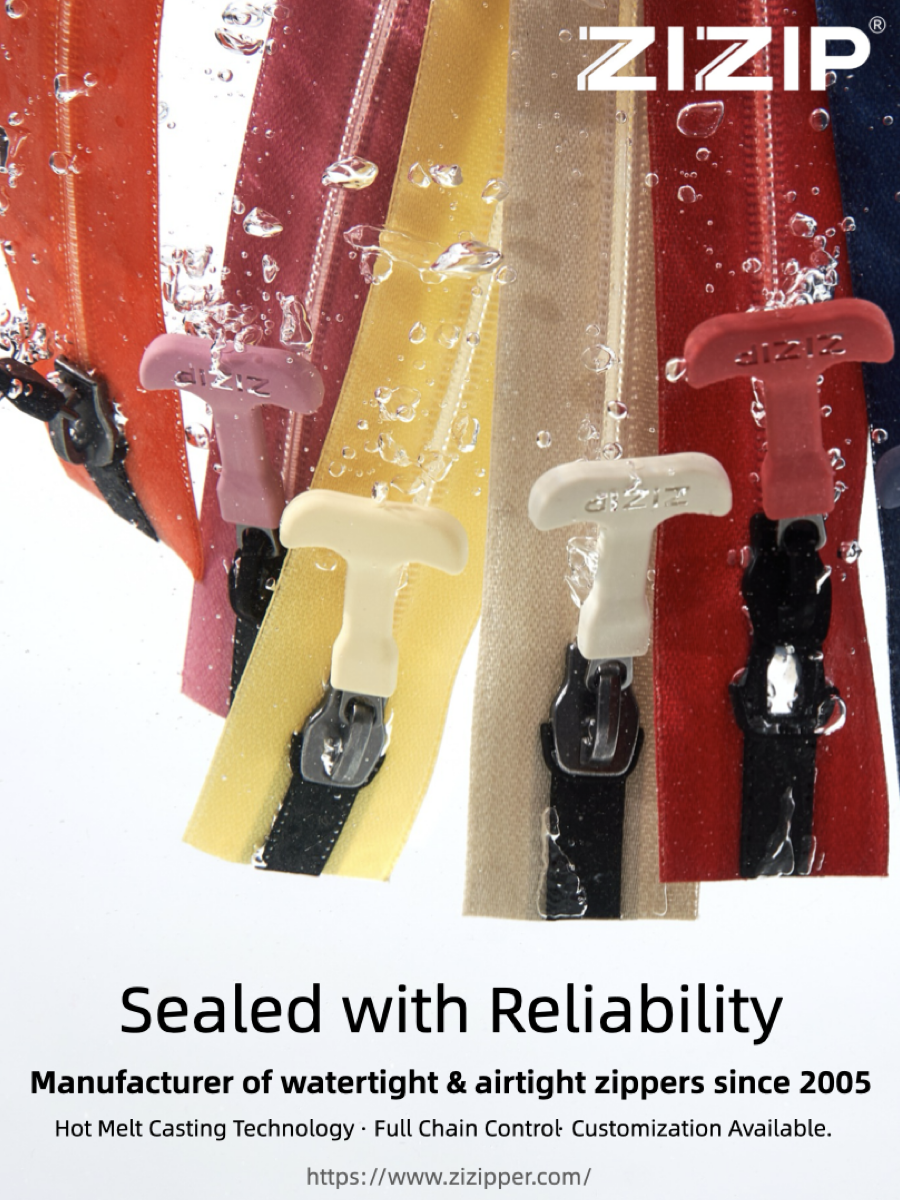
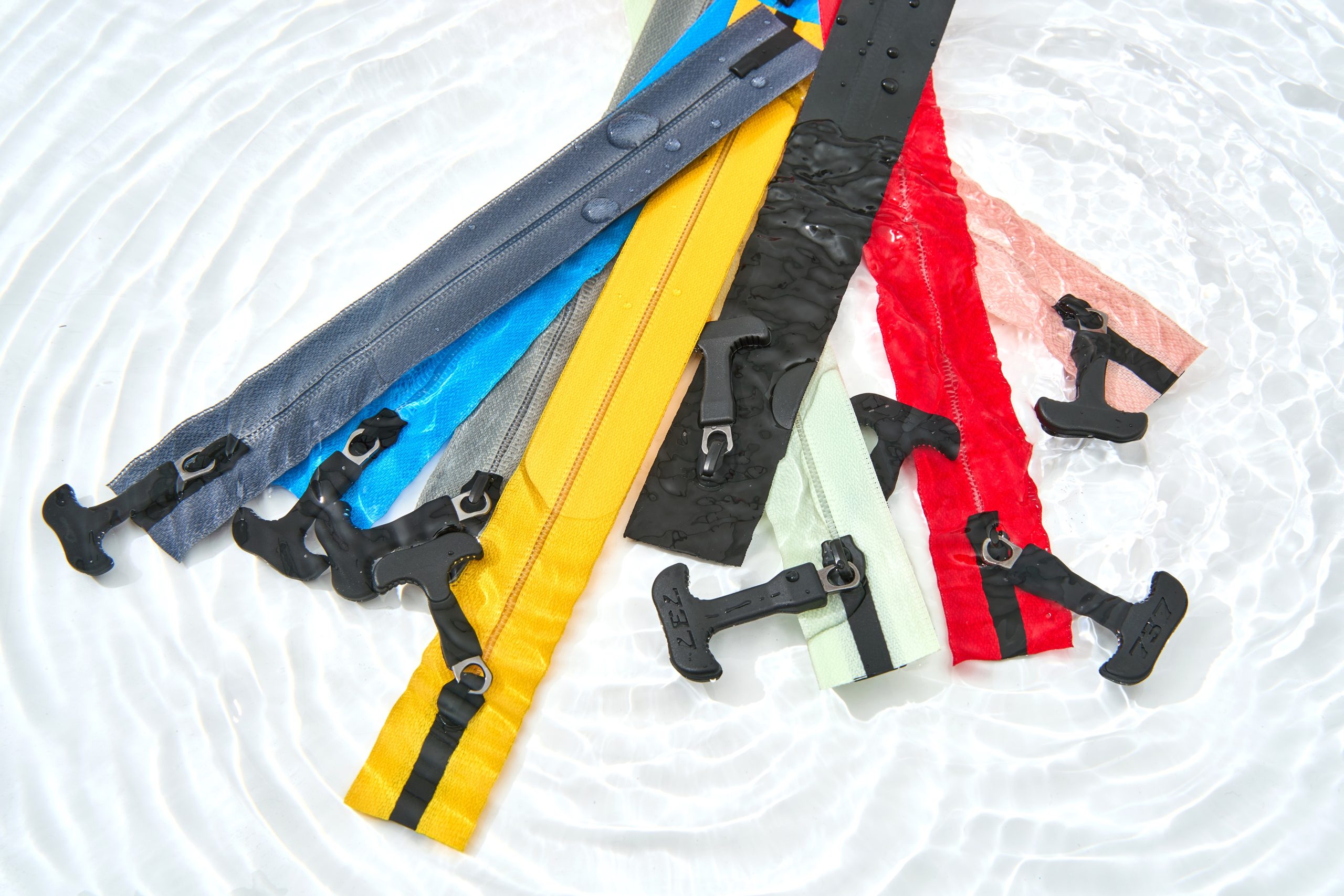
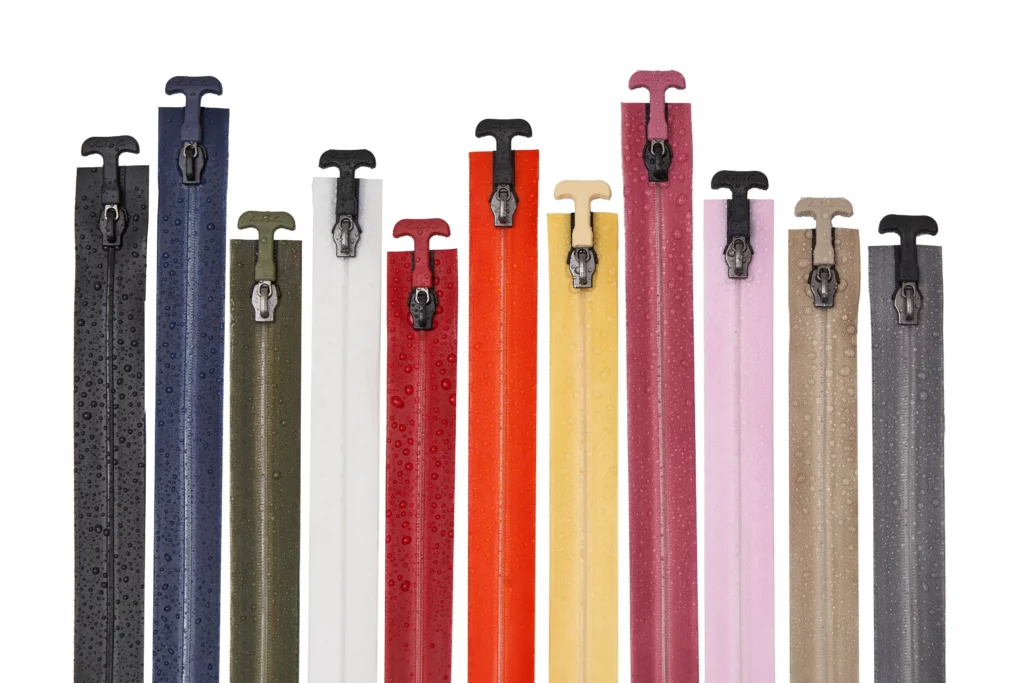
One great example is Zizip‘s AquaSeal waterproof zippers. These zippers are made with strong polyester fabric covered in thermoplastic polyurethane (TPU). They have a high IPX5 waterproof rating. They can handle heavy rain and strong water spray, making them perfect for tough outdoor and water activities.
With AquaSeal zippers, you can be sure your gear will stay safe. Whether you are hiking in the rain or diving in the ocean, their strong design keeps you dry and comfortable, no matter what.
Airtight Zippers Explained
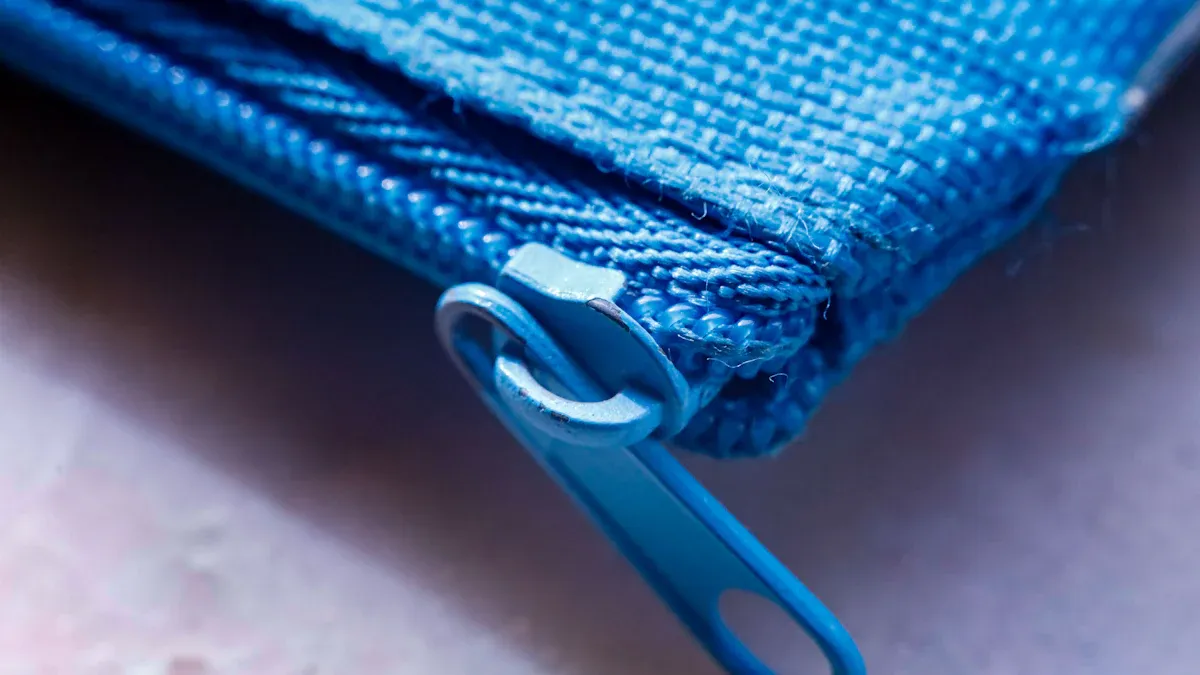
Airtight zippers are made to create a full seal against air. This makes them very important for places where keeping air and gas inside is needed. These zippers stop air, moisture, and tiny particles from getting in. This keeps your gear safe in tough situations.
Construction of Airtight Zippers
Airtight zippers have special features that make them different from waterproof zippers. Here’s a look at the materials and designs that help them work well:
Feature | Waterproof Zippers | Airtight Zippers |
|---|---|---|
Purpose | Prevent water penetration | Create a complete seal against air |
Materials | TPU, PVC | TPU, PVC |
Design | Overlapping elements or tight interlocking design | Specific zipper designs and seam constructions |
Applications | Suitable for wet conditions, outdoor gear | Suitable for applications requiring airtightness |
Airtight zippers use strong materials like thermoplastic polyurethane (TPU) and rubber. These materials help them last long and seal well. The zipper teeth are made very carefully to fit tightly. This stops any leaks. When they are put together, the tapes and teeth are sewn using advanced machines. This makes the seal even better.
Typical Uses of Airtight Zippers
Airtight zippers are used in many industries where safety is very important. Here are some common uses:
Application Type | Requirement for Airtight Zippers | Reason for Requirement |
|---|---|---|
HAZMAT | Yes | To create barriers against dangerous materials |
Medical Containment | Yes | To prevent contamination from pathogens and ensure safety |
For example, Zizip’s AeroSeal airtight zippers are made for very important jobs. They keep a leak-free seal at 20kPa for over 15 seconds. This makes them great for military, medical, and aerospace work. These zippers work well in places where sealing air and gas is very important, like in diving suits or suits for dangerous materials.
Besides their strong sealing abilities, airtight zippers are also very useful. You can find them in high-quality diving gear, survival suits, and protective clothing. Their ability to handle tough conditions while sealing tightly makes them a top choice for professionals who need reliability.
Tip: When choosing gear with airtight zippers, always check the details to make sure they fit your needs, especially in high-pressure situations.
By knowing how airtight zippers are made and where they are used, you can make smart choices about your gear. Whether you’re diving deep or working with hazardous materials, these zippers give you the protection you need.
Key Differences Between Waterproof and Airtight Zippers
Functionality Comparison
Waterproof and airtight zippers have different jobs. Waterproof zippers mainly keep water out. They are great at stopping moisture, making them ideal for outdoor gear like jackets and bags. In contrast, airtight zippers create a full seal against air and gases. This is important for situations where you need to hold air or stop gas leaks, like in diving suits or suits for dangerous materials.
Here’s a quick comparison of how they seal:
Zipper Type | Main Protection | Ideal Use Cases |
|---|---|---|
Waterproof Zippers | Resists water entry | Rainy weather, splashes |
Airtight Zippers | Blocks air and water | Full immersion, containment of gases |
Material Differences
The materials in these zippers greatly affect how well they work. Waterproof zippers usually use thermoplastic polyurethane (TPU) or PVC. These materials are very good at resisting water. They can handle rain and splashes, making them perfect for outdoor activities. On the other hand, airtight zippers use special coatings and materials that help create a tight seal.
Here’s a breakdown of common materials:
Type of Zipper | Common Materials Used | Performance Characteristics |
|---|---|---|
Waterproof Zippers | TPU (Thermoplastic Polyurethane) | Made to stop water from getting in, great for outdoor gear like rain jackets and dry bags. |
Airtight Zippers | Different materials, often with special coatings | Made to create an airtight seal, used in vacuum-sealed bags and airtight containers. |
Application Scenarios
Choosing between waterproof and airtight zippers depends on what you need. If you’re hiking in the rain, waterproof zippers are best. They keep your gear dry without needing a full air seal. But if you’re in places where holding air is very important, like in medical or military work, you should choose airtight zippers.
Tip: Always think about your surroundings and needs before picking a zipper type. This helps you get the right protection for your gear.
Choosing the Right Zipper for Your Gear
Assessing Your Needs
When you pick a zipper for your gear, think about what you will do and the conditions you will face. Here are some important points to think about:
Define Your Use Case: Will you face heavy rain, splashes, or full submersion? Match the zipper’s protection level to your activities. For example, if you hike in a rainy area, a waterproof zipper is a must. But if you dive or work with dangerous materials, an airtight zipper is better.
Check Certification Standards: Look for IP ratings or other certifications. These ratings show how well the zipper works against water and air. For instance, zippers with an IPX7 rating can handle being submerged, while those rated IPX5 are good for heavy rain.
Evaluate Real-World Testing: Manufacturer specs are useful, but they don’t always show real-world performance. Look for user reports or lab tests to see how zippers perform in real situations.
Inspect Build Quality: Make sure the zippers have taped seams and strong construction. This is very important for outdoor gear and electronics, where leaks can cause big problems.
Consider Maintenance Needs: Some zippers may need regular re-treatment to keep their waterproof or airtight features. Be ready to take care of your gear.
Avoid Vague Claims: Be careful of terms like “waterproof” without proof. Choose brands that give clear test methods and results.
Review Warranty & Return Policy: Water damage is often not covered by warranties. Check the coverage details before you buy.
Picking the right zipper is important for how well your gear works. Waterproof zippers are great for keeping your gear dry when it’s wet outside. They use materials like polyurethane and polyvinyl chloride to make strong seals against water. In contrast, airtight zippers are best for places where keeping air and gas inside is very important. They create a full seal, which is key for medical, military, and diving uses.
Tip: Always look at the IP ratings of zippers. These ratings show how well they work in different conditions. Choosing the right zipper keeps your gear safe and dependable, no matter where you go! 🌧️🔒
FAQ
What is the main difference between waterproof and airtight zippers?
Waterproof zippers stop water from coming in. Airtight zippers block air and gases. Use waterproof zippers for wet weather and airtight zippers for places needing a full seal.
Can I use waterproof zippers for airtight applications?
Waterproof zippers keep out water, but they don’t seal air completely. For airtight needs, always choose airtight zippers to get the right protection.
How do I maintain my zippers?
Keep your zippers clean and free of dirt. Check them often for damage. For waterproof zippers, think about using a waterproofing spray to keep them working well.
Are Zizip zippers customizable?
Yes! Zizip lets you customize size, color, and puller designs. This helps you make zippers that fit your gear perfectly.
What industries commonly use airtight zippers?
Airtight zippers are used a lot in military, medical, and aerospace fields. They are important for keeping air and gas leaks from happening.