
Waterproof zippers are essential for outdoor clothing. They protect your gear from water and help you stay dry. To ensure these waterproof zippers last longer and function effectively, proper care is necessary. Clean them regularly after outdoor use to prevent dirt and sand buildup. Additionally, applying zipper wax or lubricant facilitates smooth movement and prevents sticking. Rinsing metal zippers with fresh water after exposure to saltwater helps prevent rust. It is crucial to dry them thoroughly after cleaning to avoid corrosion.
Key Takeaways
Clean your waterproof zippers often after using them outside. This stops dirt and sand from building up.
Use silicone or wax-based lubricants. This helps zippers move easily and stops rust.
Keep zippers dry. Store them either zipped halfway or open. This helps avoid stress and damage.
Rinse metal zippers with fresh water after they touch saltwater. This prevents corrosion.
Look for signs of damage. This includes a stuck slider or missing teeth. Get professional help if you need it.
Why Zipper Maintenance Matters
Waterproof zippers are very important for outdoor gear. They keep your stuff dry and safe from water. Here are some main jobs of waterproof zippers:
They stop water from getting into gear. This is important for keeping rain jackets, tents, and waterproof bags dry.
They are strong and work well. They can handle a lot of use and tough weather. This helps your outdoor gear last longer.
Many outdoor activities need waterproof zippers to work well. The table below shows some of these activities:
Activity Type | Description |
|---|---|
Motorcycling | Waterproof zippers in jackets and pants keep riders dry and comfy when it rains. |
Water Sports | They are important for packrafters and kayakers to stay dry and comfy in wet weather. |
Fishing | Waders with waterproof zippers help fishermen stay dry while fishing. |
Rescue Operations | Protective suits with waterproof zippers keep you safe from water and chemicals in dangerous situations. |
If you don’t take care of your zippers, you might face some problems. Here are some common issues:
Issue Type | Description |
|---|---|
Cleaning | Not cleaning can cause dirt and dust to build up, making the zipper not work right. |
Lubrication | Not using lubricant can make the zipper rust and hard to move. |
Storage | Storing the zipper fully zipped can cause stress and damage it. |
If zippers fail, it can hurt how well your outdoor clothes work and keep you safe. For example, in protective gear like firefighter suits and hazmat suits, a broken zipper can let dangerous things in. This makes the gear less protective. Strong zippers are needed because they can handle tough conditions, keeping you safe from fire, chemicals, and other dangers.
By taking care of your zippers, you can keep them working well and make them last longer. Regular cleaning, lubrication, and good storage will help your outdoor gear work right. This way, you can enjoy your adventures without any worries.
Essential Tools for Zipper Care
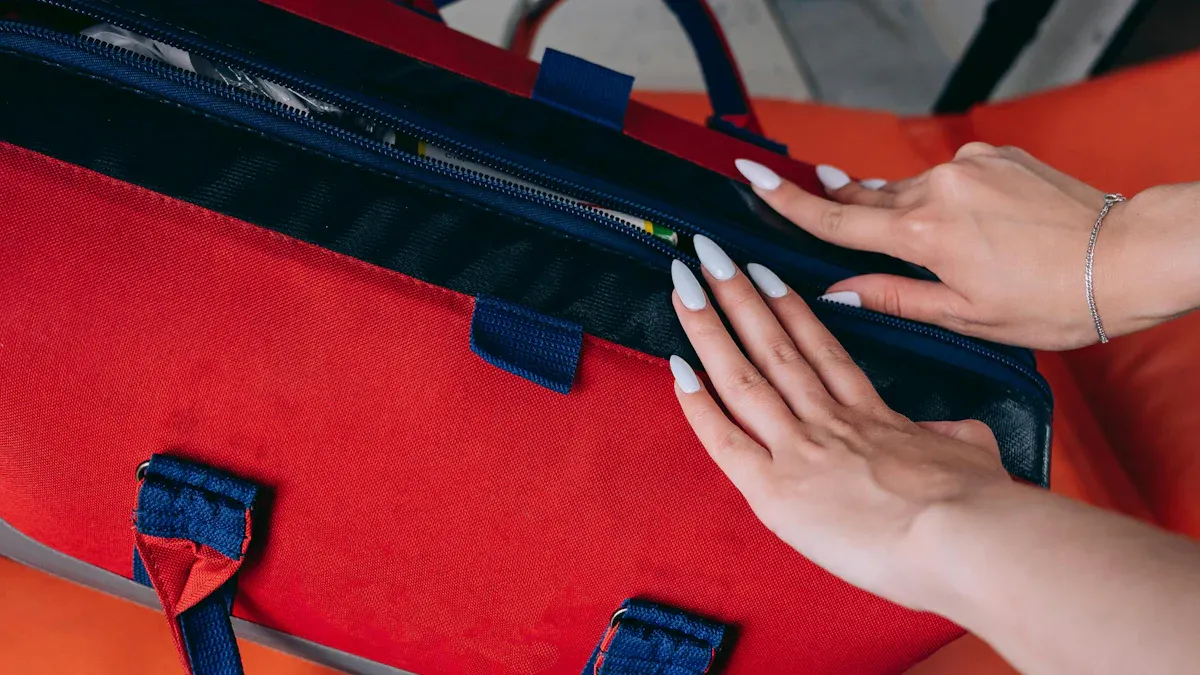
To take care of your waterproof zippers, you need the right tools. Here are some important supplies for good maintenance.
Cleaning Supplies
To keep your zippers clean, use these helpful products:
Zip Care™: This cleaner works great on plastic, nylon, or metal zippers. It cleans and lubricates well, removing dirt and leaving a protective layer.
Gear Aid Zipper Cleaner and Lubricant: This product gets rid of sand, dirt, and salt. It leaves a lubricating layer that helps stop rust.
Cleaning is very important. You should clean your zippers after every outdoor trip to get rid of dirt and debris.
Lubrication Options
Good lubrication keeps your zippers working smoothly. Here are some good choices:
Feature | Description |
|---|---|
Silicone Grease Formula | Safe for waterproof and heavy-duty zippers, making them work smoothly and easily. |
Corrosion Protection | Reduces friction, stops rust, and protects against wear and tear. |
Multi-Purpose Use | Made for DryTide backpacks but works with many zippers and seals. |
Durable and Water-Resistant | Works well even in wet and tough conditions. |
Easy Application | Small and mess-free, great for taking care of gear on the go. |
To apply lubricant the right way, follow these steps:
Clean the zipper to remove dirt and debris.
Put a small amount of silicone-based lubricant at the top and along the zipper teeth.
Move the zipper back and forth to spread the lubricant.
Wipe off any extra grease.
Storage Solutions
Good storage helps keep your zippers safe during off-seasons. Here are some tips:
Store Zippers Dry: Make sure zippers are completely dry before storing to avoid mildew and rust.
Apply a Protective Coating: Use coatings like wax or beeswax to keep zippers dry and clean.
Zip Before Storing: Keep zippers zipped to keep them strong and prevent damage.
By using these tools and methods, you can keep your waterproof zippers in great shape for many adventures ahead.
Step-by-Step Cleaning for Waterproof Zippers
Preparing the Zipper
Before you clean your waterproof zippers, do a few things first. These steps will help keep your zippers clean and working well:
Microfiber or Lens Cloth: Wipe your zipper with a microfiber towel or lens cloth. This keeps dust and dirt out of the teeth and pull.
Saltwater or Dusty Environments: After using your gear in saltwater, rinse the zipper with fresh water. If needed, use mild dish soap to help remove dirt.
Focus on Teeth and Tracks: Clean the zipper teeth and tracks carefully. Use a soft brush or toothpick to get rid of any debris.
Complete Drying: Make sure the zipper is completely dry before storing your gear. Leave it open to air dry.
Use a Lubricant: Sometimes, put a silicone-based or wax lubricant on the zipper teeth. This helps it move smoothly and stops rust.
Store Open or Zipped Up Halfway: Don’t store the gear with the zipper fully zipped. This prevents stress on the teeth and tracks.
Cleaning Process
Now that you have prepared the zipper, it’s time to clean it well. Follow these steps for the best results:
Use a microfiber towel or lens cloth to wipe down the zipper often.
Rinse the zipper with fresh water after it gets saltwater or dirt. If needed, use mild dish soap to help remove tough grime.
Clean the zipper teeth and tracks with a soft brush or toothpick. This ensures dirt does not block the zipper’s function.
Always make sure the zipper is completely dry before storage. This helps your zippers last longer.
Drying Techniques
Good drying techniques are important for keeping your waterproof zippers in good shape. Here’s how to do it right:
After cleaning, leave the zipper open to air dry completely. This stops moisture from getting trapped inside.
If you live in a humid area, use a fan to help speed up drying. This helps avoid mildew and rust.
Once dry, you can put a light coat of lubricant on the zipper teeth. This helps it work smoothly and protects against rust.
By following these steps, you can keep your waterproof zippers in great condition. Regular cleaning and care will help you enjoy your outdoor clothing for many adventures ahead.
Proper Zipper Care and Lubrication
Taking care of your waterproof zippers is very important. It helps them last longer and work better. Good zipper care means picking the right lubricant, using it correctly, and knowing how often to apply it.
Choosing the Right Lubricant
Picking the right zipper lubricant is key for keeping your zippers waterproof. Here are some good choices:
Silicone-based Lubricants: These keep water away and do not harm the zipper. They help the zipper move smoothly, which is important for staying waterproof.
Wax-based Lubricants: Wax lubricants create a protective layer that stops rust. They are easy to use and help the zipper work well.
Polymer Lubricants: These also keep water away and help the zipper stay functional over time.
Using the right lubricant helps your zippers work better and makes your outdoor gear last longer.
Application Methods
Applying lubricant the right way is just as important as choosing it. Follow these steps for the best results:
Rinse the Zipper: After each use, especially in saltwater, rinse the zipper with fresh water to clean off any dirt.
Close the Zipper: Always zip it up before applying lubricant. This helps cover it evenly.
Use a Lubricant Stick: For example, you can use DUI® ZipStick® to lubricate by running it up one side and down the other.
Open and Close the Zipper: After putting on the lubricant, open and close the zipper several times. This helps spread the lubricant between the teeth, making it work better.
Specific Zipper Care: For TiZIP waterproof zippers, only put lubricant on the top and inside of the zipper slide area, not on the teeth.
By following these steps, you can keep your zippers smooth and working well.
Frequency of Lubrication
Regular care is important for keeping your zippers in great shape. Here’s how often to lubricate:
After Every Use: If you use your gear in tough conditions, lubricate your zippers after each trip.
Every 10 Dives: For diving gear, lubricate about every 10 dives to keep it working well.
Manufacturer Guidelines: Always check the manufacturer’s advice for how often to lubricate. They usually suggest putting lubricant on the sealing lips and teeth, then moving the slider back and forth to spread it.
By following these tips, you can greatly improve the life and performance of your waterproof zippers.
Zipper Care Tips for Usage and Storage
Taking care of your waterproof zippers while using and storing them can help your gear last longer. Here are some helpful tips to remember.
Handling Techniques
When you use your outdoor clothes, follow these tips to reduce wear on your waterproof zippers:
Store Open or Zipped Up Halfway: Don’t store with the zipper fully zipped. This can cause stress on the teeth.
Avoid Extreme Temperatures: Keep them in cool, dry places to protect the zipper material.
Gentle Operation: If the zipper gets stuck, gently work it loose instead of forcing it.
Cleaning is also very important. Rinse zippers with fresh water after they touch salt or dirt. Use zipper-specific lubricants to keep them moving smoothly.
Seasonal Storage Best Practices
Storing your zippers properly during different seasons can help them stay in good shape. Here are some best practices:
Choose a Suitable Storage Location: Stay away from damp areas and places with changing temperatures.
Winter Storage: Keep them in a dry, ventilated area. Loosen straps and don’t fold waterproof fabrics tightly.
Spring Refresh: Check and clean zippers, buckles, seams, and waterproof coatings.
These tips will help keep your zippers in great condition, ready for your next adventure.
Environmental Considerations
The environment can affect how your waterproof zippers work. Here’s what to think about:
TPU-coated zippers can handle high humidity. They stay flexible and strong in many temperatures.
They work well in high humidity, keeping your gear functional.
Zipper Type | Temperature Resistance | Humidity Impact |
|---|---|---|
TPU Waterproof Zipper | -40°C to 100°C | Breathable and soft, works well in high humidity |
Coated Waterproof Zipper | -70°C | No shedding, no brittleness, stays waterproof in humid conditions |
By knowing how the environment affects your zippers, you can take better care of them and help them last longer.
When to Seek Professional Help
Signs of Damage
You need to watch your waterproof zippers closely. Some signs show you might need expert help. Here are common signs of damage:
Sign of Damage | Description |
|---|---|
Issues with the slider | The slider might not move easily or could be stuck. |
Missing teeth | Missing teeth can make the zipper not waterproof. |
Damage to the starter pin/box | If the starter pin or box is broken, the zipper may not work right. |
If you see any of these problems, think about getting professional help. A broken zip slider can often be replaced, but missing teeth usually mean you need a new zipper. For waterproof or insulated items, replacing them can be trickier.
Repair vs. Replacement
When choosing between fixing or replacing, look at how bad the damage is. Fixing a zipper usually means taking off stoppers and putting the slider back on correctly. This is often cheaper. But if the zipper is really damaged, you might need to replace it.
Here’s a quick look at the costs for zipper services:
Service Type | Cost Range |
|---|---|
Zipper Slider Replacement (Garments) | From $25 |
Zipper Replacement (Main) (Garments) | From $114 |
Zipper Slider Replacement (Packs) | From $36 |
Zipper Replacement (Main) (Packs) | From $120 |
You can expect to pay about $50-$60 for simple fixes. For bigger replacements, costs can go from $75 to $160. Think about these choices carefully. Regular care can help stop many problems, keeping your zippers working for your outdoor trips.
Taking care of your waterproof zippers is very important. It helps them last longer and work better. Use a microfiber cloth to clean off dust and dirt. Rinse the zippers after they touch saltwater or dirt to stop rust. Lubricate them now and then to keep them moving easily and to stop sticking.
By doing these things, you can avoid problems like snagging and broken teeth. Good care not only helps your outdoor clothes work well but also makes your gear last longer. Use these tips to enjoy your adventures without any worries!
FAQ
What is the best way to clean waterproof zippers?
To clean waterproof zippers, use a soft brush or cloth with mild soap and water. Rinse well to get rid of any soap. Make sure the zipper is completely dry before you store it.
How often should I lubricate my zippers?
You should lubricate your zippers after each use in tough conditions. For diving gear, lubricate every 10 dives. Always check the manufacturer’s advice for specific instructions.
Can I use regular lubricant on waterproof zippers?
No, do not use regular lubricants. Pick silicone-based or wax-based lubricants made for waterproof zippers. These options keep out moisture and help the zipper work smoothly.
What should I do if my zipper gets stuck?
If your zipper gets stuck, gently wiggle the slider to free it. Do not force it, as this can cause damage. If it stays stuck, clean the area and put on some lubricant.
How can I prevent my zippers from rusting?
To stop rust, rinse metal zippers with fresh water after using them in saltwater. Dry them well and use a corrosion-resistant lubricant to protect against moisture.